Researchers anticipate significant advancements across several scientific domains in 2026, including artificial intelligence, gene editing, and space exploration, according to the Nature Podcast released January 1, 2026. The podcast highlighted the potential for small-scale AI models to outperform Large Language Models (LLMs) in reasoning tasks, the progression of gene editing clinical trials for rare disorders, and an upcoming sample collection mission from Phobos, a moon of Mars. The report also addressed the anticipated impact of US policy changes enacted by the Trump administration on the scientific community.
The development of smaller AI models is gaining traction as scientists explore alternatives to the resource-intensive LLMs. Miryam Naddaf, a reporter featured on the Nature Podcast, explained that these smaller models are designed for specific tasks, potentially allowing them to achieve greater efficiency and accuracy in reasoning compared to their larger counterparts. This shift could democratize AI development, making it more accessible to researchers and organizations with limited computational resources. The implications for society are vast, ranging from improved diagnostic tools in healthcare to more efficient automation in various industries.
Clinical trials involving gene editing technologies are expected to advance in 2026, offering hope for individuals with rare genetic disorders. These trials aim to correct faulty genes responsible for debilitating conditions. The podcast referenced the success of personalized gene editing in treating a baby with a rare disease, raising the question of whether such treatments can be scaled up and made widely available. Ethical considerations and regulatory frameworks surrounding gene editing remain crucial as the technology progresses.
Space exploration will continue to be a focal point in 2026, with a sample collection mission planned for Phobos. This mission seeks to gather samples from the Martian moon to better understand its composition and origin. Scientists hope that analyzing these samples will provide insights into the early solar system and the potential for life beyond Earth.
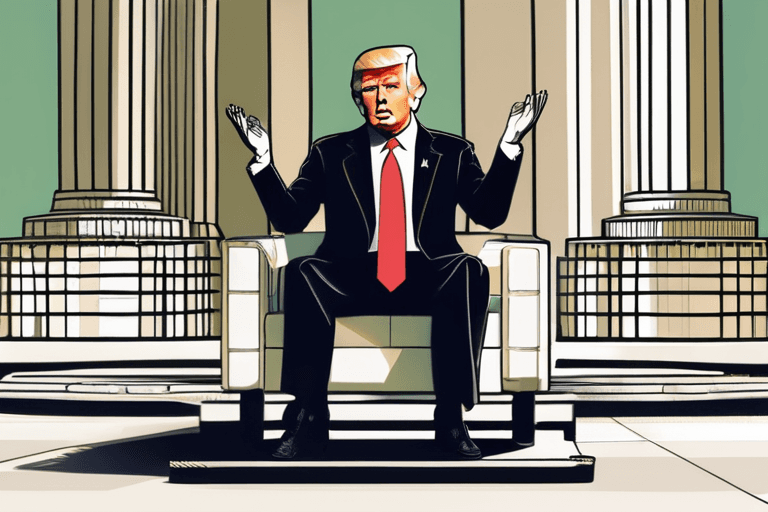
The podcast also addressed the impact of US policy changes under the Trump administration on the scientific landscape. The previous year, 2025, was described as "tumultuous" for science due to grant cuts, arrests, and layoffs, according to the Nature Podcast. These policy shifts are expected to continue influencing research funding, international collaborations, and the overall direction of scientific endeavors in the United States. The long-term consequences of these changes remain to be seen, but scientists are closely monitoring the situation and adapting their strategies accordingly.
















Discussion
Join the conversation
Be the first to comment