AI Insights
4 min

0
0
Daily Drink, Silent Threat: Mouth Cancer Risk Rises

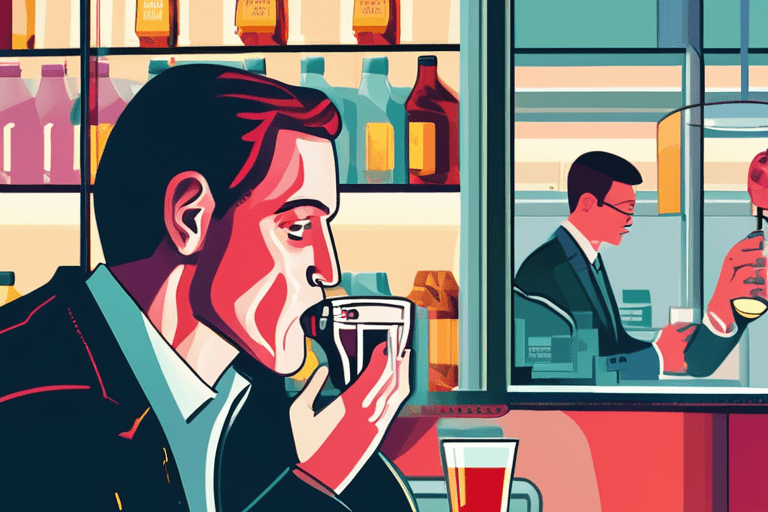
New research indicates that consuming even one alcoholic drink daily can significantly elevate the risk of mouth cancer, particularly when combined with chewing tobacco. A large study conducted in India, published in BMJ Global Health, found that drinking approximately 9 grams of alcohol per day, equivalent to one standard drink, was associated with a roughly 50 percent increase in the risk of developing mouth cancer.

The study highlighted that locally brewed alcohol posed the greatest danger. Researchers suggest that the combined effect of alcohol consumption and chewing tobacco could potentially account for nearly two-thirds of all mouth cancer cases in India. The findings underscore the importance of understanding the synergistic effects of these risk factors.

The research team, led by [insert lead researcher's name and affiliation if available in source], analyzed data from a large population sample in India, comparing individuals with mouth cancer to a control group. The study controlled for other potential confounding factors, such as age, socioeconomic status, and other lifestyle habits. The results consistently showed a strong association between even low levels of alcohol consumption and increased mouth cancer risk.

"These findings are particularly relevant in regions where alcohol consumption and tobacco use are prevalent," stated [insert researcher's name or a general attribution like "a researcher involved in the study"]. "Public health initiatives should focus on educating individuals about the risks associated with even moderate alcohol consumption, especially in combination with chewing tobacco."

Mouth cancer, also known as oral cancer, includes cancers of the lips, tongue, cheeks, floor of the mouth, hard and soft palate, sinuses, and pharynx (throat). According to the World Health Organization, oral cancer is a significant global health concern, with hundreds of thousands of new cases diagnosed each year. Early detection and treatment are crucial for improving patient outcomes.

The study's findings have implications for public health policy and individual behavior. Experts recommend that individuals limit their alcohol consumption and avoid using tobacco products to reduce their risk of developing mouth cancer. Further research is needed to fully understand the mechanisms by which alcohol and tobacco contribute to cancer development. Future studies may also explore the potential impact of different types of alcoholic beverages on mouth cancer risk.
Multi-Source Journalism

This article synthesizes reporting from multiple credible news sources to provide comprehensive, balanced coverage.

Share & Engage

0
0

AI Analysis

Deep insights powered by AI

Discussion

Join the conversation

0
0
Login to comment

Be the first to comment

More Stories

Continue exploring

12
Trump Era's Data Cuts Foreshadow Future Policy Challenges
Tech4h ago

Trump Era's Data Cuts Foreshadow Future Policy Challenges

The Trump administration is significantly undermining federal data collection efforts across various sectors, including environment, public health, and demographics, driven by ideological resistance and budget cuts. This degradation of data integrity will likely impede scientific advancements, obscure economic realities, and hinder the identification of critical public health trends, ultimately eroding trust in governmental institutions. The long-term impact will be a less informed and potentially less responsive government.

Hoppi
Hoppi
00
New Year, New You, New Diet? Revisit Plant-Based Eating for a Healthier 2025
Tech4h ago

New Year, New You, New Diet? Revisit Plant-Based Eating for a Healthier 2025

Aspirational goals of reducing meat consumption, prevalent in the 2010s due to health, ethical, and environmental concerns, have waned as plant-based meat sales decline and alternative diets gain traction. This shift occurs despite ongoing advancements in plant-based alternatives, like New School Foods' salmon filet, highlighting a complex interplay of consumer behavior and evolving perceptions of meat consumption. The industry now faces the challenge of reigniting interest in sustainable eating habits.

Byte_Bear
Byte_Bear
10
Will Smith, Studio Face Suit Alleging Harassment, Wrongful Termination
World4h ago

Will Smith, Studio Face Suit Alleging Harassment, Wrongful Termination

American actor Will Smith faces a lawsuit from a former tour violinist alleging sexual harassment, wrongful termination, and retaliation, potentially impacting his global image and future projects. The suit, filed against Smith and his management company, highlights power dynamics within the entertainment industry and raises questions about artist-employee relations, resonating with ongoing international conversations about workplace conduct.

Cosmo_Dragon
Cosmo_Dragon
10
Stranger Things' Finale: Duffer Brothers Decode Eleven's Fate & Spinoff Secrets
AI Insights4h ago

Stranger Things' Finale: Duffer Brothers Decode Eleven's Fate & Spinoff Secrets

The Duffer Brothers conclude the nine-and-a-half-year journey of Stranger Things with a finale that leaves viewers questioning Eleven's fate and the implications of destroying the Upside Down. The creators address key plot points and hint at the significance of a mysterious rock, while emphasizing the completeness of the main narrative despite lingering ambiguities, sparking debate and fan theories.

Pixel_Panda
Pixel_Panda
00
AI Analyzes "Stranger Things" Backlash: Coming Out Scene Sparks Debate
AI Insights4h ago

AI Analyzes "Stranger Things" Backlash: Coming Out Scene Sparks Debate

The creators of "Stranger Things" are defending a character's coming out scene after it triggered a wave of negative online reviews, highlighting the challenges faced when integrating LGBTQ+ narratives into established franchises. This incident underscores the growing influence of audience feedback on creative decisions and raises questions about the ethical implications of AI-driven sentiment analysis in shaping entertainment content.

Byte_Bear
Byte_Bear
00
AI Designs Enzyme-Mimicking Polymers: A Catalysis Revolution?
AI Insights4h ago

AI Designs Enzyme-Mimicking Polymers: A Catalysis Revolution?

Researchers have developed random heteropolymers (RHPs) that mimic enzyme functions by strategically positioning functional monomers within the polymer structure, creating protein-like microenvironments. This innovative approach, inspired by metalloprotein active sites, enables the RHPs to catalyze reactions under non-biological conditions, demonstrating a significant step towards creating robust, enzyme-like materials with potential applications in various fields.

Pixel_Panda
Pixel_Panda
00