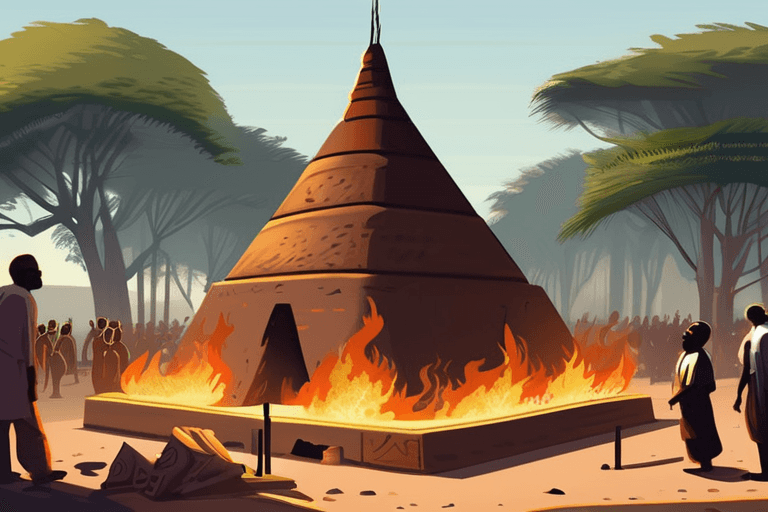
A cremation pyre approximately 9,500 years old has been unearthed in Malawi, providing novel insights into the practices of ancient African hunter-gatherer societies. Located in a rock shelter at the base of Mount Hora in northern Malawi, the pyre is believed to be the oldest globally to contain the remains of an adult, representing the earliest confirmed intentional cremation in Africa and the first pyre linked to African hunter-gatherers.
Excavations conducted in 2017 and 2018 yielded a total of 170 human bone fragments, apparently belonging to an adult woman just under 1.5 meters (5 feet) tall, found in two clusters amidst layers of ash, charcoal, and sediment. The discovery offers a rare glimpse into the funerary rituals and social structures of these early communities.
Researchers suggest the cremation indicates a level of symbolic thought and ritualistic behavior previously underestimated in hunter-gatherer groups of this era. The intentional act of cremation implies a belief system and a communal effort in preparing and executing the funerary rite. The analysis of the bone fragments and surrounding materials is ongoing, with scientists employing advanced dating techniques and microscopic analysis to further understand the details of the cremation process and the environment in which it took place.
The find challenges previous assumptions about the development of complex social behaviors and mortuary practices. It suggests that African hunter-gatherers were engaging in sophisticated rituals much earlier than previously recognized. Further research at the site and comparative studies with other archaeological finds in Africa are expected to shed more light on the cultural and social evolution of these ancient populations.



















Discussion
Join the conversation
Be the first to comment