When Elon Musk acquired Twitter and rebranded it as X, a digital exodus began. Millions, concerned about the platform's future, sought refuge in alternative microblogging sites. While many experimented with Bluesky and Instagram's Threads, one platform stood out: Mastodon. Founded in 2016, Mastodon had already spent years cultivating its own unique identity, distinguishing itself as more than just a Twitter clone.
But what exactly is Mastodon? At its core, Mastodon is a free and open-source microblogging platform. It was created by German software developer Eugen Rochko with a distinct vision. Unlike the corporate giants of social media, such as Twitter, Facebook, and Reddit, Mastodon operates as a non-profit. This means its primary objective is to serve the public interest, rather than maximizing profits for shareholders.
At first glance, Mastodon might appear to be a familiar Twitter-esque experience. Users can post short messages, follow other accounts, and engage in conversations. However, the underlying architecture of Mastodon is where the real differences lie. The platform is decentralized, operating as a federated network, a concept similar to email. When new users sign up, they choose a server, much like selecting a provider like Gmail or Hotmail for their email account.
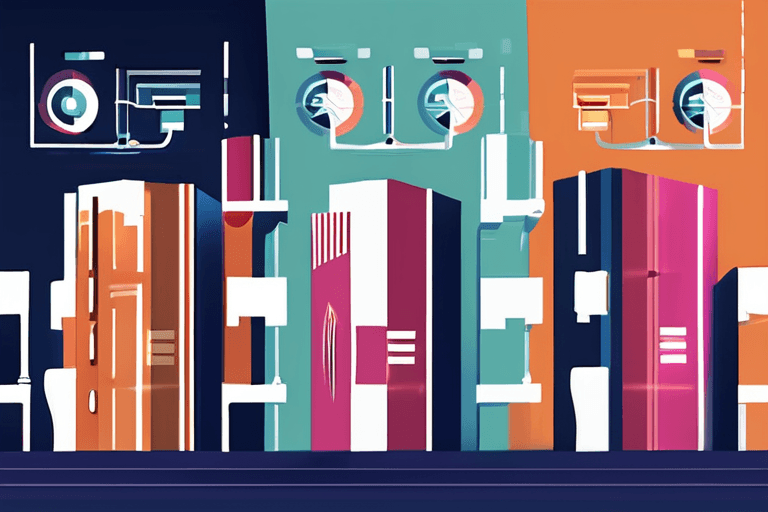
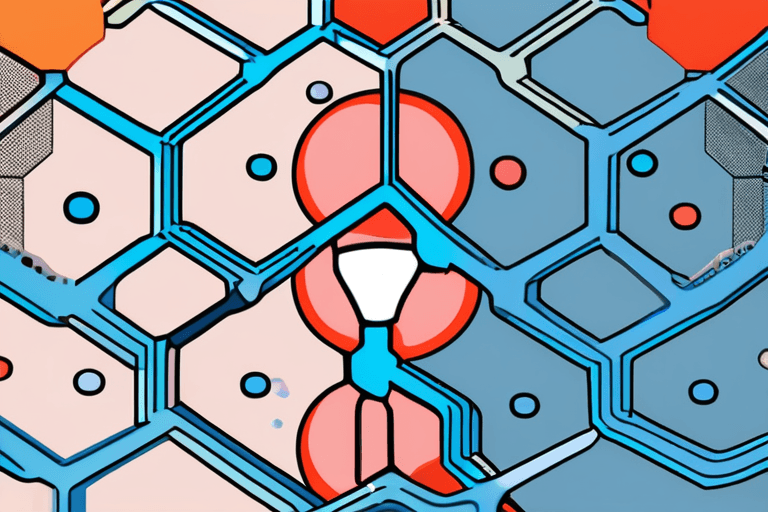
This decentralized structure is a key differentiator. Instead of being controlled by a single entity, Mastodon consists of numerous independent servers, each with its own community, rules, and moderation policies. These servers, also known as "instances," can communicate with each other, allowing users on different instances to interact seamlessly. This federation model gives users greater control over their online experience and fosters a more diverse and community-driven environment.
"The beauty of Mastodon is its distributed nature," explains Sarah Jones, a long-time Mastodon user and open-source advocate. "You're not locked into a single platform. You can choose an instance that aligns with your values and interests, and still connect with people across the entire network."
The impact of Mastodon's decentralized approach extends beyond individual user experience. It also has significant implications for the broader tech industry. By challenging the centralized model of traditional social media, Mastodon promotes greater user autonomy, data privacy, and resilience against censorship.
Looking ahead, Mastodon's future appears bright. As concerns about centralized social media platforms continue to grow, Mastodon offers a compelling alternative for those seeking a more decentralized, community-driven, and user-centric online experience. While it may not replace Twitter or X entirely, Mastodon has carved out a unique space in the social media landscape, demonstrating the potential of open-source and federated networks to reshape the future of online communication.
















Discussion
Join the conversation
Be the first to comment