The drills, recently completed by the People's Liberation Army, involved naval and air force assets operating in the Taiwan Strait and surrounding areas. Beijing characterized the exercises as a response to "provocations" by Taiwan and its allies, particularly the United States. These drills are part of a pattern of increased military activity by China in the region, which Taiwan views as a form of intimidation.
Lai's commitment to defending Taiwan's sovereignty reflects the island's long-standing position of self-governance, a status China disputes, claiming Taiwan as a renegade province that must eventually be reunified with the mainland, by force if necessary. The situation is further complicated by the United States' policy of "strategic ambiguity," where it remains unclear whether the U.S. would intervene militarily in the event of a Chinese attack on Taiwan.
The concept of sovereignty, central to this conflict, is increasingly being challenged by technological advancements, particularly in the realm of artificial intelligence (AI). AI-powered surveillance systems, for instance, can monitor borders and detect potential threats, potentially enhancing a nation's ability to protect its territory. However, AI can also be used for disinformation campaigns, aimed at undermining public trust and destabilizing governments, posing a threat to a nation's sovereignty in the information domain.
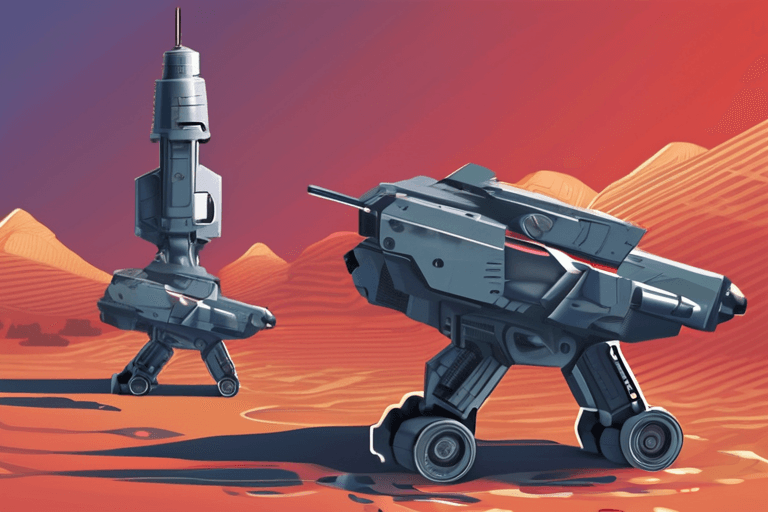
The development of autonomous weapons systems (AWS), also known as "killer robots," raises further questions about the future of warfare and national defense. These systems, which can select and engage targets without human intervention, could potentially alter the balance of power and challenge traditional notions of sovereignty. The international community is currently debating the ethical and legal implications of AWS, with some advocating for a ban on their development and deployment.
The ongoing tensions between Taiwan and China highlight the complex interplay of geopolitics, military power, and technological innovation. The future of Taiwan's sovereignty will likely depend on a combination of factors, including its own defense capabilities, the support it receives from allies, and the evolving nature of the relationship between the United States and China. The role of AI in shaping this future remains uncertain, but its potential impact on both offense and defense is undeniable.

















Discussion
Join the conversation
Be the first to comment