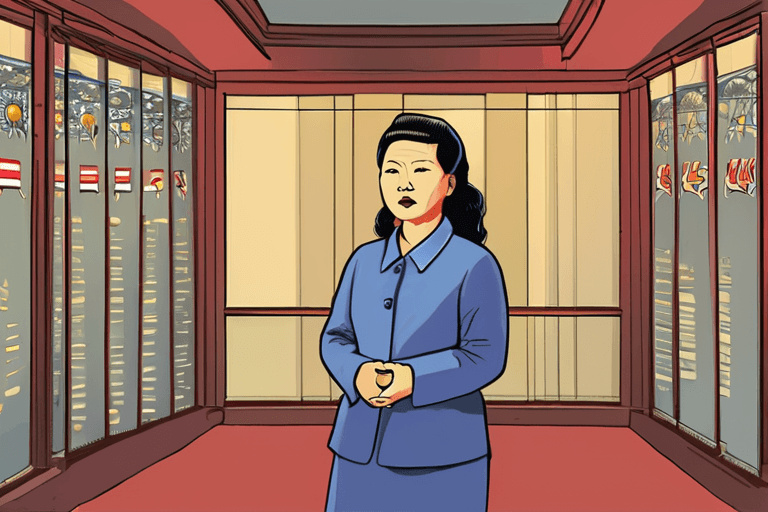
Kim Jong-un, the North Korean leader, his wife, Ri Sol-ju, and their daughter, Kim Ju-ae, visited the Kumsusan Palace of the Sun on January 1 to mark the new year, a visit that has intensified speculation about Kim Ju-ae potentially succeeding her father as the next North Korean ruler. The visit to the mausoleum, which houses the embalmed bodies of Kim Il-sung and Kim Jong-il, the current leader's grandfather and father respectively, is a significant event in the North Korean calendar, often used to showcase the country's leadership and ideology.
Photos released by the state news agency KCNA depicted Kim Jong-un, Ri Sol-ju, and Kim Ju-ae together in the main hall of the Kumsusan Palace of the Sun, accompanied by senior officials. This marks Kim Ju-ae's first public appearance at the mausoleum, further fueling speculation about her future role in the country's leadership.
Kim Ju-ae has been making increasingly prominent appearances in state media over the past three years. Analysts suggest that these appearances are part of a carefully orchestrated campaign to introduce her to the North Korean public and potentially position her as Kim Jong-un's successor. The Kumsusan Palace of the Sun holds immense symbolic importance in North Korea, representing the legacy of the Kim dynasty and the foundation of the state's ideology. Visits to the mausoleum are typically reserved for key figures in the regime and are often used to signal important political messages.
While North Korea has never had a female leader, Kim Ju-ae's increasing visibility suggests a potential shift in the country's dynastic succession plans. However, some experts remain skeptical, pointing to the deeply patriarchal nature of North Korean society and the potential for resistance to a female leader within the ruling elite. The event that could see her succession formalised was not specified in the report. The situation remains fluid, and future developments will likely provide further clues about Kim Jong-un's intentions and the future of North Korean leadership.


















Discussion
Join the conversation
Be the first to comment