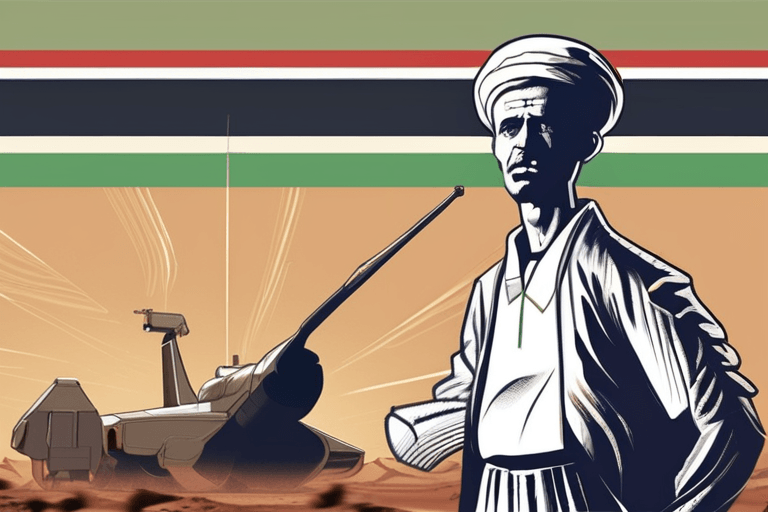
Saudi-backed coalition forces in Yemen launched airstrikes targeting southern separatists, a move prompted by the separatists' recent territorial gains that have reshaped the country's control map, according to Al Jazeera. The strikes occurred in response to advances made by the southern separatists, who are vying for control of territory in the war-torn nation.
Aksel Zaimovic, reporting for Al Jazeera, explained that multiple groups are currently competing for territory within Yemen. The conflict is complex, involving not only the Saudi-backed coalition and southern separatists, but also other factions with varying regional and international support.
Yemen has been embroiled in a civil war since 2014, when Houthi rebels, a Shia Muslim group, seized control of the capital, Sanaa, and ousted the internationally recognized government. This prompted a military intervention in 2015 by a Saudi-led coalition aimed at restoring the government. The conflict has since evolved into a proxy war between Saudi Arabia and Iran, which is accused of supporting the Houthi rebels.
The southern separatists, officially known as the Southern Transitional Council (STC), seek independence for South Yemen, which was a separate country until it unified with the north in 1990. The STC has clashed with the Yemeni government, despite both being nominally allied against the Houthis. Their recent advances highlight the fractured nature of the anti-Houthi coalition.
The ongoing conflict has had a devastating impact on Yemen, creating one of the world's worst humanitarian crises. Millions of people have been displaced, and the country faces widespread famine and disease. International organizations have repeatedly called for a ceasefire and a negotiated settlement to the conflict.
The latest airstrikes and territorial shifts underscore the volatility of the situation in Yemen. The future remains uncertain, with the potential for further escalation and continued suffering for the Yemeni people. The international community continues to grapple with finding a sustainable solution to the conflict, balancing competing interests and addressing the urgent humanitarian needs of the population.



















Discussion
Join the conversation
Be the first to comment