Research increasingly relies on brain organoids, clusters of human cells that model aspects of human brain development, to study conditions such as autism, schizophrenia, and even brain cancer. These pea-size bits of neural tissue can grow for months or even years in a lab, offering unprecedented opportunities for understanding the complexities of the human brain. However, their use also raises ethical concerns, particularly because the brain is so closely tied to our sense of self.
The ethical considerations surrounding brain organoids were the focus of a recent two-day meeting in Northern California, which brought together scientists, ethicists, patient advocates, and journalists. Discussions centered on questions such as the appropriateness of placing human organoids in an animal's brain, the potential for organoids to feel pain or develop consciousness, and the need for regulation in this area of research. "We are talking about an organ that is at the seat of human consciousness," one participant noted, highlighting the sensitivity of the issue.
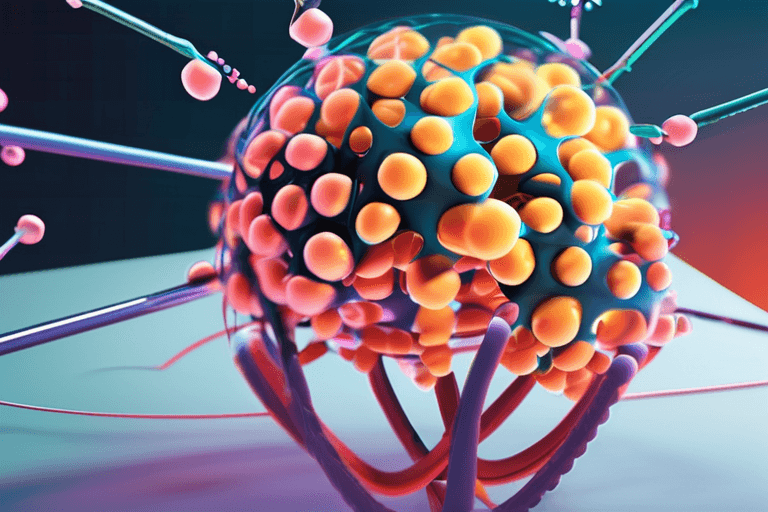
Brain organoids are derived from human cells, often skin cells that are reprogrammed into induced pluripotent stem cells (iPSCs). These iPSCs can then be coaxed to differentiate into various types of brain cells, which self-assemble into a three-dimensional structure resembling a developing brain. While not a perfect replica of a human brain, organoids exhibit many features of early brain development, including the formation of different brain regions and the establishment of neural networks.
The use of brain organoids offers several advantages over traditional methods of studying the brain. They allow researchers to study human brain development in a way that is not possible with animal models or post-mortem human tissue. They also provide a platform for testing the effects of drugs and other interventions on the brain.
Despite their potential, brain organoids also raise significant ethical concerns. One concern is the possibility that organoids could develop some level of consciousness or sentience. While current organoids are far from being able to think or feel in the same way as a human brain, researchers are exploring ways to make them more complex and functional. This raises the question of whether there is a point at which organoids should be afforded some level of moral consideration.
Another concern is the use of brain organoids in animal models. Some researchers have implanted human brain organoids into the brains of animals, such as mice, to study how the organoids integrate with the host brain. This raises concerns about the potential for creating animals with enhanced cognitive abilities or altered behavior.
The field of brain organoid research is rapidly evolving, and the ethical considerations surrounding their use are likely to become even more complex in the future. It is important for scientists, ethicists, and the public to engage in ongoing dialogue about these issues to ensure that this powerful technology is used responsibly. The question of who, if anyone, should regulate this research remains a key point of discussion as the field advances.


















Discussion
Join the conversation
Be the first to comment