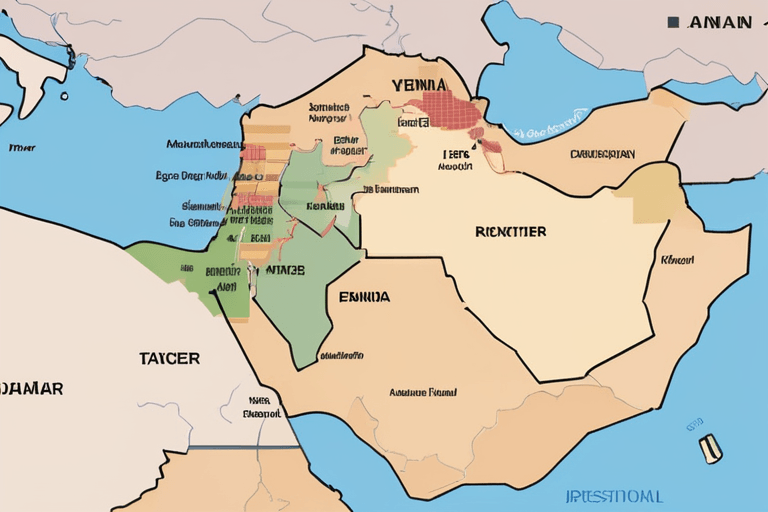
Saudi-backed coalition forces in Yemen launched airstrikes targeting southern separatists, a move that altered the territorial control within the country, according to Al Jazeera. The recent advances by the separatists prompted the coalition's response, highlighting the complex and volatile nature of the conflict.
Aksel Zaimovic, reporting for Al Jazeera, explained that multiple groups are vying for control in Yemen, creating a fragmented landscape. The Saudi-backed coalition, supporting the internationally recognized government, is a major player. Opposing them are the southern separatists, who seek an independent South Yemen.
The conflict in Yemen has deep roots, stemming from political transitions and economic grievances. The Houthi movement, another significant force, controls large portions of northern Yemen, including the capital, Sanaa. The Houthis' rise to power triggered the intervention of the Saudi-led coalition in 2015, escalating the conflict.
The involvement of various factions and external actors has created a complex web of alliances and rivalries. The United Nations has been actively involved in mediating peace talks, but progress has been slow. The humanitarian crisis in Yemen remains dire, with millions facing starvation and displacement, according to UN reports.
The latest airstrikes and territorial shifts underscore the fragility of the situation. Analysts suggest that a comprehensive political solution is necessary to address the underlying causes of the conflict and achieve lasting stability. The future of Yemen hinges on the ability of these competing groups to find common ground and work towards a unified and peaceful nation.


















Discussion
Join the conversation
Be the first to comment