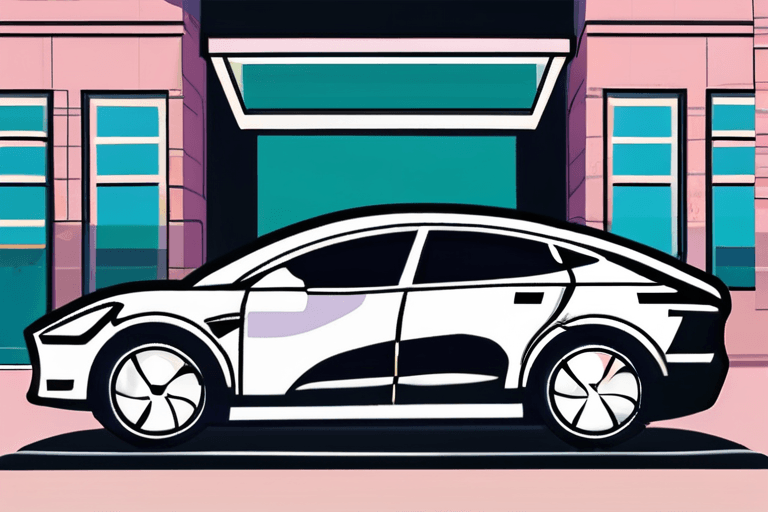
Tesla's annual vehicle deliveries declined by 9% in 2025, totaling 1.63 million units globally compared to 1.79 million in 2024, according to figures released by the company. This marks the second consecutive year of declining annual sales for the electric vehicle manufacturer. The decrease was attributed to the removal of the U.S. federal tax credit and increased competition from Chinese automakers, particularly BYD.
Fourth-quarter sales for Tesla reached 418,227 vehicles, a 15.6% drop from the same period the previous year. This figure significantly underperformed analysts' expectations, contributing to a more than 2% drop in Tesla stock value as markets opened after the New Year holiday. The company's delivery numbers include approximately 50,850 vehicles categorized as "other models," encompassing the Cybertruck, Model X, and Model S.
BYD, the Chinese electric vehicle manufacturer, delivered 2.26 million EVs in 2025, surpassing Tesla to become the global leader in EV sales. Tesla's market share has been eroded in key markets like Europe and China due to the rise of these Chinese competitors.
While Tesla also faces increased competition in the United States, this competition does not include Chinese automakers, which are currently barred from selling vehicles in the country. The expiration of the $7,500 U.S. federal tax incentive for Tesla vehicles is believed to have had a significant negative impact on sales, particularly in the fourth quarter. The tax credit, designed to encourage EV adoption, previously reduced the upfront cost for consumers purchasing Tesla vehicles. Its removal effectively increased the price for potential buyers, potentially deterring some purchases.
The decline in sales raises questions about Tesla's future growth trajectory and its ability to maintain its dominance in the rapidly evolving electric vehicle market. The company will need to address the challenges posed by increased competition and navigate the complexities of government incentives to regain its position as the global EV sales leader. Future strategies may include expanding production capacity, introducing new models, and exploring alternative pricing strategies to remain competitive.
















Discussion
Join the conversation
Be the first to comment