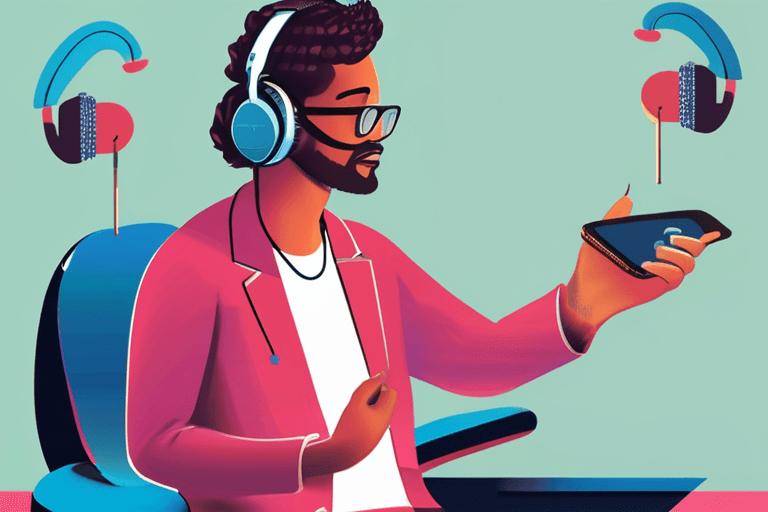
The field of noise cancellation is evolving beyond basic sound blocking, with emerging technologies promising more nuanced and personalized audio experiences. While established brands like Sony and Bose offer effective noise-canceling headphones, the widespread adoption of Apple's AirPods, particularly the third-generation AirPods Pro and AirPods Max, has highlighted the demand for features like Active Noise Cancellation (ANC) and Transparency mode, signaling a shift in consumer expectations globally. These features, which allow users to selectively filter environmental sounds, are influencing the direction of research and development in the audio technology sector.
Innovations are not limited to personal audio devices. Researchers and developers are exploring soundproofing materials for residential and commercial spaces, aiming to create environments that can adapt to varying acoustic needs. This includes the development of thin, affordable, sound-absorbing wallpaper capable of mitigating noise pollution in densely populated urban areas, addressing a common concern in cities across Asia, Europe, and the Americas. The potential impact extends beyond individual comfort, with applications in improving workplace productivity and reducing stress levels in healthcare settings.
Furthermore, advancements in noise cancellation technology are showing promise in assisting individuals with hearing impairments. By selectively amplifying desired sounds and suppressing background noise, these technologies could significantly improve communication and quality of life for millions worldwide. This is particularly relevant in aging societies like Japan and Germany, where the prevalence of age-related hearing loss is increasing.
The future of noise cancellation is expected to involve greater integration with artificial intelligence, allowing for real-time adaptation to changing soundscapes and personalized audio profiles. This could lead to earbuds that automatically adjust noise cancellation levels based on the user's environment, or soundproofing systems that learn and respond to specific noise patterns. The development of these technologies is being driven by a combination of consumer demand, regulatory pressures to reduce noise pollution, and the growing recognition of the impact of sound on human health and well-being.

















Discussion
Join the conversation
Be the first to comment