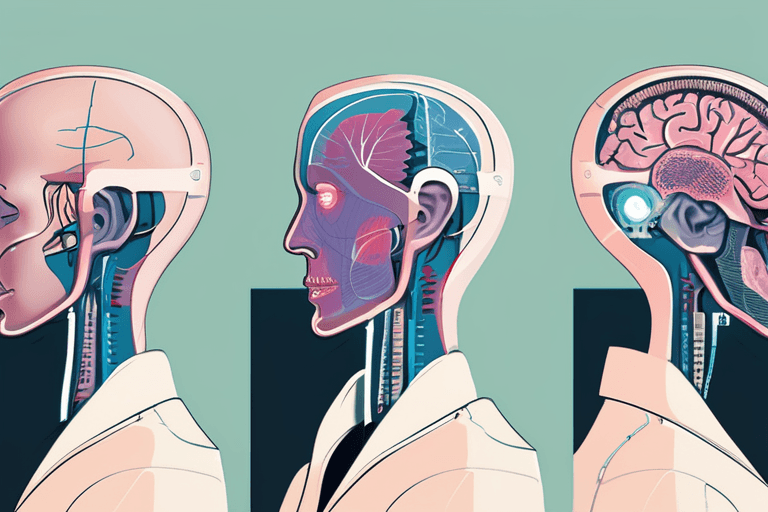
The concept of head transplantation, once relegated to the realm of science fiction, is experiencing renewed interest from life-extension advocates and Silicon Valley startups, despite past skepticism and controversy. Italian neurosurgeon Sergio Canavero, who gained notoriety in 2017 for claiming a successful head transplant between two corpses in China, believes the procedure offers a potential solution to aging when other rejuvenation technologies remain elusive.
Canavero's initial proposals for head transplantation, published a decade ago, involved swapping a patient's head, or potentially just the brain, onto a younger, healthier body. The technique, while controversial, hinges on the ability to fuse the spinal cord, a challenge that has historically prevented successful long-term outcomes in similar experiments. Canavero claimed his team achieved spinal cord fusion in animal models, but these results were met with skepticism from the medical community.
The industry impact of successful head transplantation would be transformative, potentially creating a new field of regenerative medicine and extending human lifespan. However, significant ethical and technical hurdles remain. The procedure would require advanced surgical techniques, including precise reconnection of blood vessels, nerves, and muscles. Immunosuppression would also be necessary to prevent rejection of the donor body.
Canavero faced significant professional repercussions after publicizing his ideas. He stated he was dismissed from Molinette Hospital in Turin, where he had worked for 22 years. "I'm an out-of-the-establishment guy. So that has made things harder, I have to say," Canavero said.
Despite the challenges and criticisms, Canavero maintains that head transplantation offers a viable path forward in addressing age-related diseases and extending human lifespan. He argues that no other solution to aging is currently on the horizon. While the procedure remains highly experimental and faces significant ethical and technical challenges, the renewed interest suggests that the concept of head transplantation may continue to evolve and potentially impact the future of medicine.


















Discussion
Join the conversation
Be the first to comment