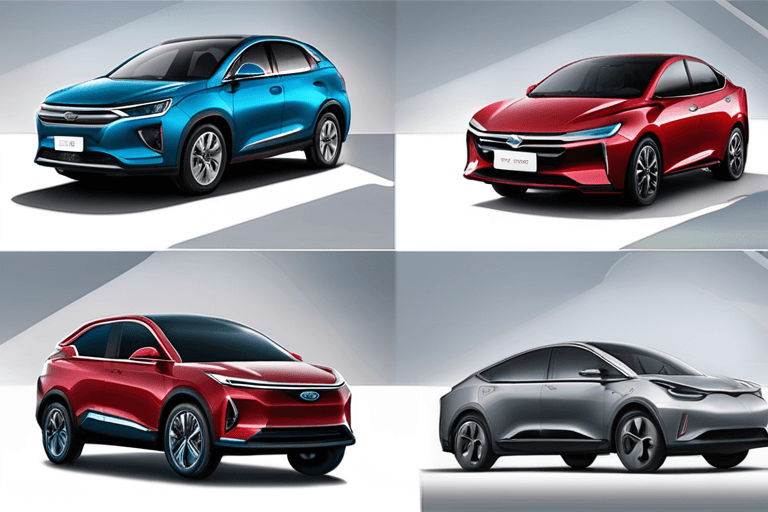
Tesla's electric vehicle sales declined 16 percent in the last three months of 2025, the company reported Friday, ceding its position as the world's largest seller of electric vehicles to China's BYD. Full-year sales for Tesla also decreased by 9 percent, marking the first time the company has sold fewer electric cars than BYD.
The shift in global leadership comes after Congress and President Trump eliminated federal tax credits that had previously incentivized Americans to purchase electric vehicles, including Teslas. The removal of these incentives, according to industry analysts, contributed to the decline in Tesla's domestic sales.
Tesla's diminished sales figures stand in stark contrast to the company's earlier ambitions. Once aiming to sell 20 million cars annually by 2030, a target roughly double Toyota's current output, Tesla has since shifted its focus. Elon Musk, Tesla's chief executive, has increasingly invested in self-driving car technology and humanoid robots, areas that currently generate limited revenue and face considerable competition.
While Tesla remains the largest American manufacturer of electric vehicles, its declining sales raise concerns about a potential slowdown in the adoption of electric vehicle technology within the United States. The technology is widely viewed as a critical component in combating climate change.
The company's strategic pivot has drawn mixed reactions from investors and industry experts. Some analysts express concern that Tesla is diverting resources from its core business of electric vehicle manufacturing, while others believe that the company's investments in emerging technologies will ultimately prove beneficial. The long-term impact of Tesla's strategic shift on its market position and the broader electric vehicle industry remains to be seen.


















Discussion
Join the conversation
Be the first to comment