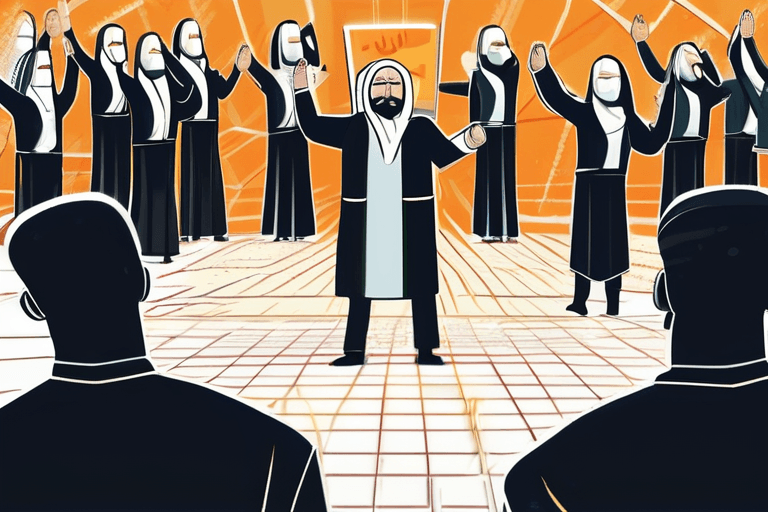
The immediate trigger for the latest wave of demonstrations was a sharp increase in the price of essential goods, particularly food staples like bread and cooking oil. According to reports from citizen journalists and human rights organizations, protests erupted in major cities including Tehran, Isfahan, and Mashhad. Demonstrators chanted slogans against the government and called for economic and political reforms.
The Iranian rial has steadily depreciated against major currencies, making imports more expensive and contributing to inflationary pressures. Sanctions imposed by the United States and other countries, aimed at curbing Iran's nuclear program, significantly restricted the country's access to international markets and financial systems. This, in turn, hampered Iran's ability to export oil, its primary source of revenue.
"The sanctions have crippled our economy," said a Tehran-based economist who spoke on condition of anonymity due to security concerns. "They have made it incredibly difficult for businesses to operate and for ordinary people to make ends meet."
The Iranian government responded to the protests with a combination of force and conciliatory measures. Security forces reportedly used tear gas and water cannons to disperse crowds, and numerous arrests were made. At the same time, President Ebrahim Raisi's administration announced a series of economic measures aimed at alleviating the crisis, including subsidies for essential goods and increased social welfare payments. However, these measures have so far failed to quell public discontent.
The economic crisis also impacted key industries within Iran. The automotive sector, heavily reliant on imported components, faced significant production disruptions. The technology sector, while relatively small, struggled to access necessary hardware and software due to trade restrictions. These disruptions further exacerbated unemployment and economic hardship.
Looking ahead, the situation in Iran remains volatile. The government faces a difficult balancing act between maintaining order and addressing the underlying economic grievances that are fueling the protests. The possibility of further escalation remains high, particularly if the economic situation continues to deteriorate. International observers are closely monitoring the situation, with many calling for a peaceful resolution to the crisis and for the Iranian government to respect the rights of its citizens to peaceful assembly and expression.













Discussion
Join the conversation
Be the first to comment