Artificial intelligence leaders are considering building data centers in space to address growing energy and land demands on Earth. The concept, once relegated to science fiction, is gaining traction as the computational requirements of AI models surge, prompting a search for innovative solutions beyond terrestrial limitations.
The increasing demand for AI processing power necessitates massive data centers, which consume significant amounts of energy and require vast land areas. Industry leaders are expressing concerns that these demands will soon outstrip available resources on Earth. This has led to the exploration of space-based data centers as a viable alternative.
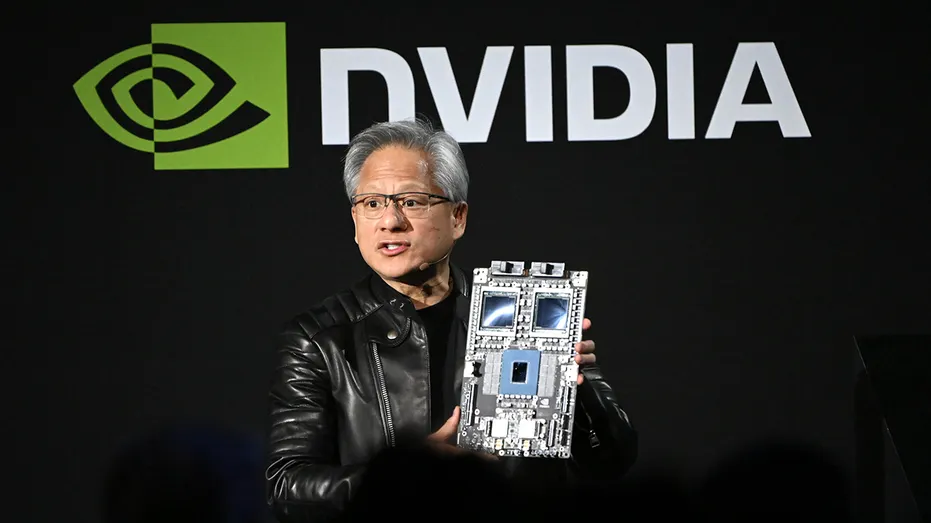
Google announced Project Suncatcher in November, a space data center initiative slated for test launches in 2027. Elon Musk stated at a recent conference that space data centers could become the most cost-effective method for AI training within five years. Jeff Bezos, founder of Amazon and Blue Origin, Sam Altman, CEO of OpenAI, and Jensen Huang, CEO of Nvidia, have also voiced support for the idea.
The appeal of space data centers lies in several potential advantages. Space offers abundant solar energy, which could power these facilities sustainably. The vacuum of space provides a natural cooling environment, reducing the energy needed for thermal management. Furthermore, locating data centers in orbit would free up valuable land resources on Earth.
However, the concept also presents significant challenges. Building and maintaining data centers in space would require overcoming technological hurdles related to launch costs, robotic assembly, and long-term reliability. Ensuring data security and minimizing latency for Earth-based users are also critical considerations.
Despite these challenges, the momentum behind space data centers is growing. As AI continues to evolve and its computational demands increase, the industry is actively exploring innovative solutions to ensure sustainable growth. The prospect of data centers orbiting the Earth may soon become a reality, marking a new chapter in the evolution of artificial intelligence infrastructure.
















Discussion
Join the conversation
Be the first to comment