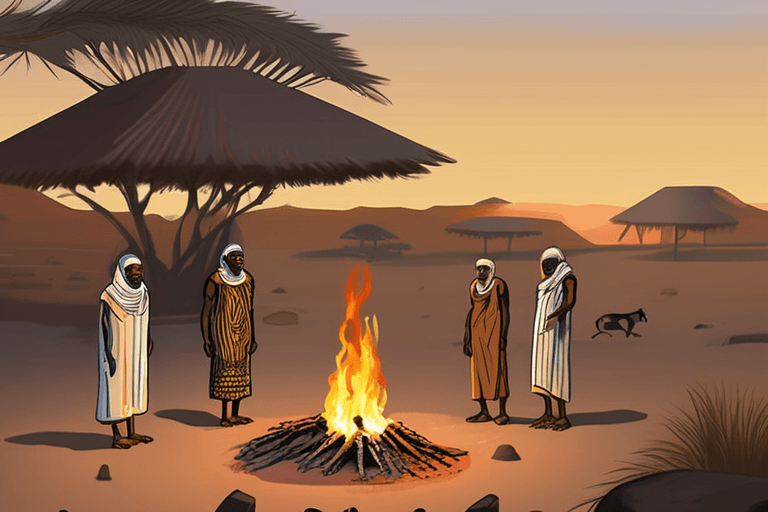
A cremation pyre approximately 9,500 years old has been discovered in a rock shelter at the foot of Mount Hora in northern Malawi, providing new insights into the practices of ancient hunter-gatherer communities in Africa. Researchers believe this pyre represents the oldest known example containing adult remains, the oldest confirmed intentional cremation on the African continent, and the first pyre definitively linked to African hunter-gatherers.
The discovery, made during excavations in 2017 and 2018, involved the unearthing of 170 human bone fragments, believed to be from an adult woman who stood just under 1.5 meters tall. The fragments were found in two clusters within layers of ash, charcoal, and sediment. The research team at the site, led by Jessica Thompson, suggests that the pyre offers a rare glimpse into the ritualistic behaviors of these early African populations.
The significance of this finding lies in its potential to reshape our understanding of early human social structures and belief systems. While cremation has been documented in other parts of the world dating back tens of thousands of years, its presence in Africa during this period was previously undocumented. This discovery challenges existing assumptions about the cultural practices and technological capabilities of hunter-gatherer societies in Africa.
The analysis of the bone fragments and surrounding materials is ongoing, with researchers employing advanced dating techniques and microscopic analysis to further refine the age of the pyre and gain a deeper understanding of the cremation process. Future studies will likely focus on comparing the Malawi pyre with other ancient cremation sites globally to identify potential cultural connections or independent developments in funerary practices.

















Discussion
Join the conversation
Be the first to comment