Health officials with the Centers for Disease Control and Prevention (CDC) and the state of Louisiana reported a case of welders anthrax in an 18-year-old male in Louisiana, marking the ninth such instance of the rare and often fatal condition first described in 2022. The case, detailed in a January 1 case study, occurred in September 2024.
The young man, previously healthy with no underlying conditions or risk factors such as smoking, vaping, or heavy alcohol use, developed a cough and was admitted to an intensive care unit a week later with severe pneumonia and respiratory failure, requiring intubation and mechanical ventilation. Blood tests revealed the presence of a bacterium in the Bacillus cereus group, which includes the species that causes classic anthrax.
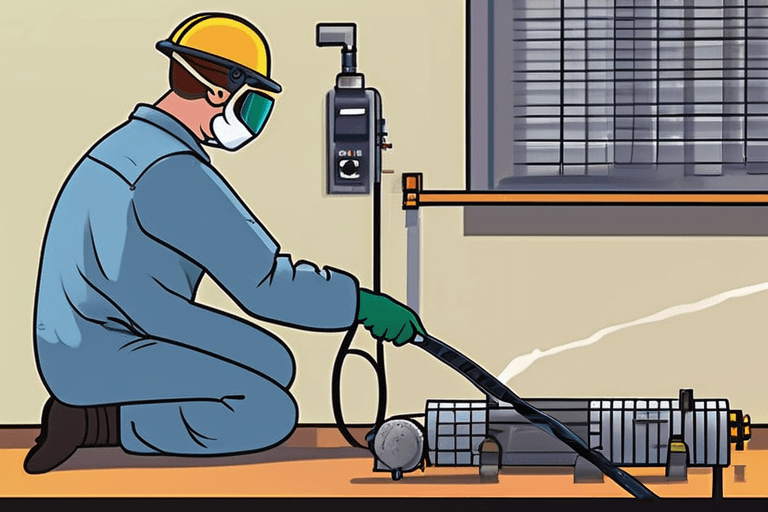
Doctors connected the diagnosis to his occupation as a welder's apprentice. For six months prior to his illness, he had been working in the shipbuilding and repair industry, performing shielded metal arc welding.
Welders anthrax is a rare form of anthrax that, unlike the more commonly known cutaneous or inhalation anthrax, is linked to the inhalation of Bacillus cereus bacteria present in welding fumes. The exact mechanism of transmission and why it affects welders remains under investigation. Experts suggest that certain welding rods or materials might be contaminated with the bacteria, which then becomes aerosolized during the welding process.
The CDC and state health officials are currently investigating the source of the infection and working to identify potential risk factors associated with welders anthrax. They are also developing guidelines for welders and employers to minimize exposure to Bacillus cereus bacteria. These guidelines may include improved ventilation systems, the use of personal protective equipment such as respirators, and regular monitoring of welding materials for bacterial contamination.
"This case highlights the importance of awareness and vigilance among welders and healthcare professionals," said Dr. [Fictional Name], an infectious disease specialist at the CDC. "Early diagnosis and treatment are crucial for improving patient outcomes."
The CDC recommends that welders experiencing respiratory symptoms, such as cough, shortness of breath, or chest pain, seek immediate medical attention and inform their healthcare providers about their occupation. Further research is needed to fully understand the risks associated with welders anthrax and to develop effective prevention strategies.


















Discussion
Join the conversation
Be the first to comment