Nvidia's recent $20 billion strategic licensing agreement with Groq signals a significant shift in the AI landscape, suggesting the era of general-purpose GPUs dominating AI inference is drawing to a close. The deal, announced in early 2026, points towards a future of disaggregated inference architectures, where specialized silicon caters to the demands of massive context and instantaneous reasoning.
According to FeaturedMatt Marshall, writing in January 2026, this move highlights a four-front battle for the future of the AI stack, becoming increasingly apparent to enterprise builders. The agreement suggests that the one-size-fits-all GPU is no longer the default solution for AI inference, particularly for technical decision-makers focused on building AI applications and data pipelines.
The shift is driven by the increasing importance of inference, the phase where trained AI models are deployed and used to make predictions. Deloitte reported that in late 2025, inference surpassed training in terms of total data center revenue, marking a tipping point for the industry. This surge in inference demands is straining the traditional GPU architecture, prompting the need for specialized solutions.
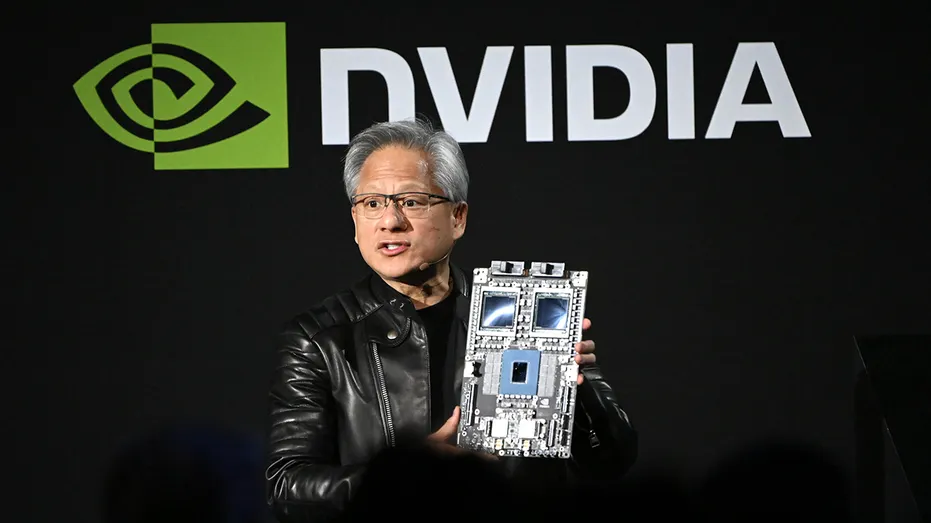
Nvidia's CEO, Jensen Huang, invested a significant portion of the company's cash reserves in this licensing deal to address existential threats to Nvidia's market dominance, which reportedly stands at 92%. The move is seen as a proactive step to adapt to the evolving demands of AI inference and maintain a competitive edge.
The disaggregated inference architecture involves splitting silicon into different types, each optimized for specific tasks. This approach allows for greater efficiency and performance in handling the complex requirements of modern AI applications, which often require both extensive contextual understanding and rapid decision-making. The specifics of the licensing agreement and the exact nature of the technology being licensed were not disclosed, but analysts speculate that it involves Groq's Tensor Streaming Architecture (TSA), known for its low latency and high performance in inference workloads.
The implications of this shift are far-reaching, potentially impacting the entire AI ecosystem. Companies building AI infrastructure may need to re-evaluate their hardware choices, considering specialized inference accelerators alongside general-purpose GPUs. This could lead to increased competition among hardware vendors and drive innovation in AI silicon design. The deal between Nvidia and Groq is expected to accelerate the development and adoption of disaggregated inference architectures, shaping the future of AI deployment in the years to come.
















Discussion
Join the conversation
Be the first to comment