Scientists are anticipating significant advancements across several fields in 2026, ranging from artificial intelligence and gene editing to space exploration and the impact of political policy on research. The Nature Podcast highlighted key areas to watch in its January 1, 2026, episode, pointing to potentially disruptive developments in AI, breakthroughs in treating rare genetic disorders, and the unfolding consequences of policy changes enacted by the Trump administration.
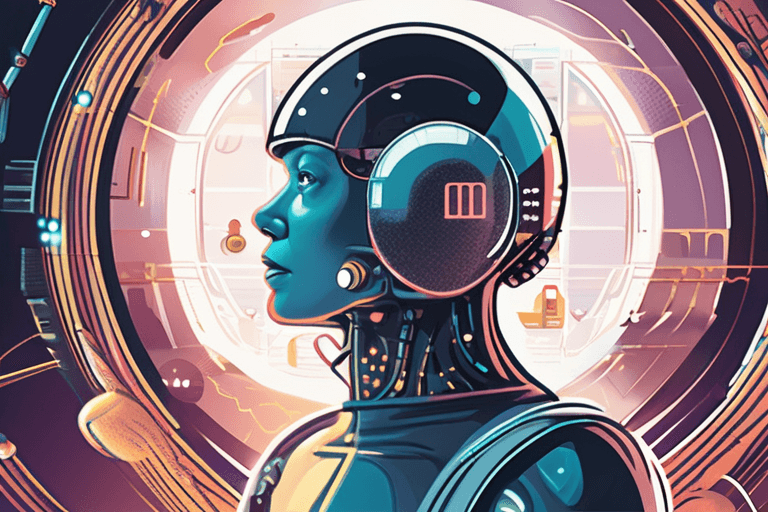
One area of focus is the evolution of artificial intelligence. Miryam Naddaf, reporting for the Nature Podcast, noted the emergence of small-scale AI models that could challenge the dominance of Large Language Models (LLMs). These smaller models are designed to excel in reasoning tasks, potentially offering advantages in specific applications where LLMs may be less efficient or accurate. The development of these models could reshape the AI landscape, fostering a more diverse ecosystem of AI tools tailored to specific needs. Experts suggest that if the AI bubble bursts, research will need to be more focused and practical.
In the realm of medicine, 2026 is expected to see further progress in gene editing therapies. Clinical trials are underway to assess the efficacy of gene editing techniques in treating rare human disorders. These trials build upon earlier successes, such as personalized gene editing that helped one baby, and aim to determine whether these treatments can be rolled out more widely. The potential of gene editing to correct genetic defects holds immense promise for patients with previously untreatable conditions.
Space exploration remains a key area of scientific endeavor. A sample collection mission from Phobos, one of Mars' moons, is planned for 2026. This mission seeks to gather samples from the Martian moon and return them to Earth for analysis. Scientists hope that studying these samples will provide insights into the origin and evolution of Mars and its moons, as well as the broader solar system.
The political landscape is also expected to play a significant role in shaping scientific progress in 2026. Changes to US policy implemented by the Trump administration are anticipated to have a continued impact on science funding, research priorities, and international collaborations. The previous year, 2025, was marked by grant cuts, arrests, and layoffs, creating a tumultuous environment for scientists. The long-term effects of these policies are still unfolding and are a cause for concern within the scientific community.
The convergence of these developments across AI, medicine, space exploration, and policy underscores the dynamic and interconnected nature of science in 2026. While challenges remain, the potential for transformative discoveries and advancements is substantial.














Discussion
Join the conversation
Be the first to comment