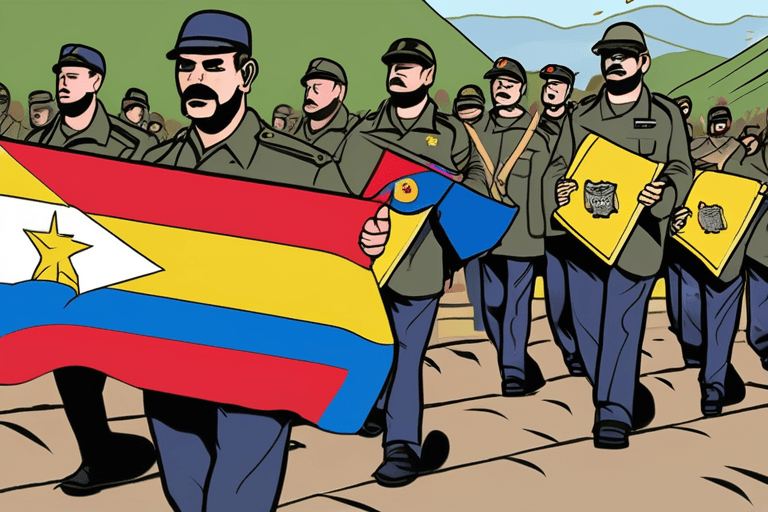
U.S. President Donald Trump announced the capture and removal of Venezuelan President Nicolás Maduro, who now faces a U.S. trial on weapons and drugs charges, marking a significant escalation in U.S. intervention in Latin America. The move, which involved U.S. military strikes targeting military infrastructure in Caracas, abruptly awakened residents to the reality of direct U.S. intervention, according to reports from the region.
The U.S. framed the intervention as a crackdown on drug trafficking and criminality, similar to its 1989 invasion of Panama to depose Manuel Noriega. Washington has long accused Maduro of leading a criminal trafficking organization, allegations Maduro has consistently denied. This action represents the first direct U.S. military intervention in Latin America of this scale since the Panama invasion.
The removal of Maduro raises numerous questions about the future of Venezuela and U.S. foreign policy in the region. The immediate impact involves navigating the legal complexities of trying a former head of state on U.S. soil. The long-term implications concern the potential for destabilization in Venezuela and the broader region, as well as the response from other international actors.
Analysts suggest that the U.S. action could embolden other nations to pursue similar interventions, potentially undermining international norms and diplomatic processes. The power vacuum in Venezuela also creates opportunities for various factions to vie for control, potentially leading to further conflict and instability.
The U.S. State Department has yet to release a comprehensive plan for the transition of power in Venezuela. The immediate focus will likely be on establishing a provisional government and ensuring stability in the country. However, the long-term success of this intervention hinges on the ability to foster a sustainable and democratic political system in Venezuela, a task that will require significant international cooperation and support. The next steps remain uncertain as the situation continues to unfold.















Discussion
Join the conversation
Be the first to comment