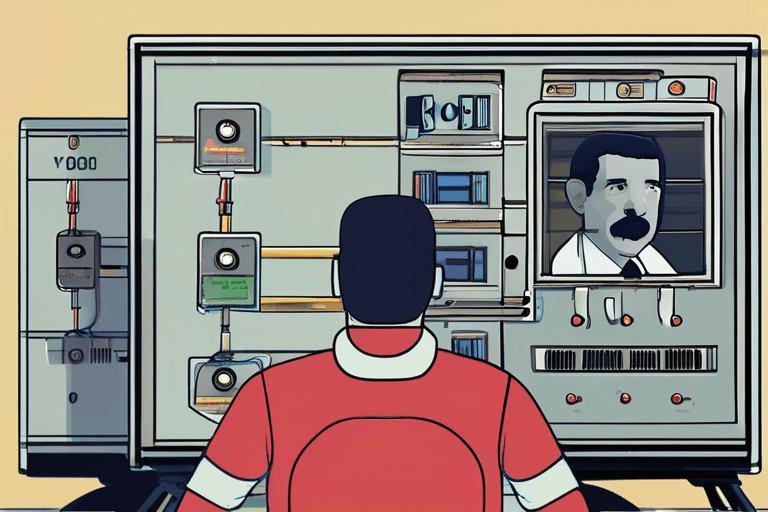
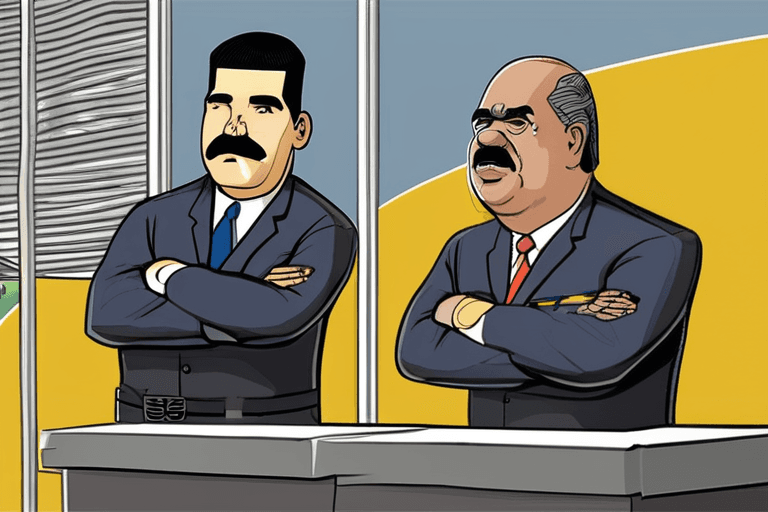
The world watched, stunned, as news broke on a Saturday morning: US forces had captured Venezuelan President Nicolás Maduro. President Trump, in a terse announcement, confirmed Maduro was en route to New York, held on a military vessel just off the Venezuelan coast. This wasn't a sudden eruption, but the culmination of steadily rising tensions between the US and Venezuela, a geopolitical drama playing out against a backdrop of economic hardship and political instability.
The seeds of this event were sown long ago. For years, the US has expressed concerns about Maduro's leadership, citing human rights abuses, election irregularities, and the country's spiraling economic crisis. Venezuela, once one of Latin America's wealthiest nations, has suffered under hyperinflation, shortages of basic goods, and mass emigration. The US has imposed sanctions aimed at pressuring Maduro to step down, recognizing opposition leader Juan Guaidó as the legitimate interim president. These sanctions, however, have only exacerbated the country's economic woes, leading to further instability and resentment.
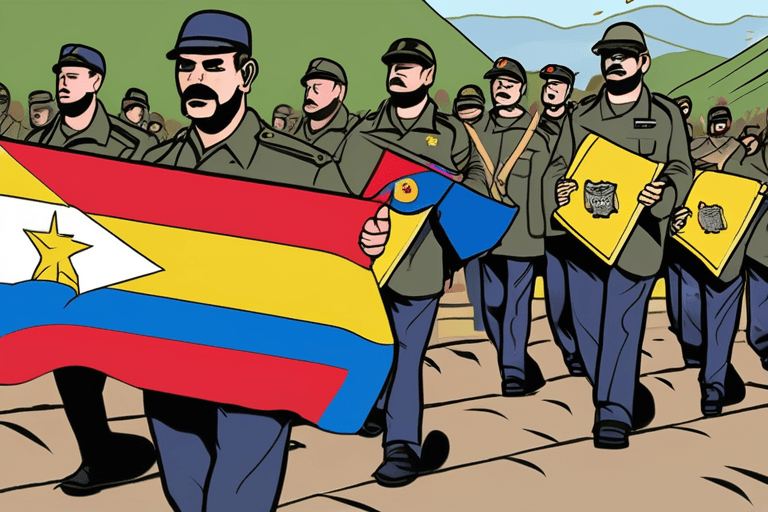
The escalation towards military action was gradual but unmistakable. Rhetoric from Washington grew increasingly hawkish, with veiled threats of intervention. Military exercises were conducted in the region, and intelligence gathering intensified. The justification, according to the Trump administration, was the need to protect democracy and stability in the Western Hemisphere, and to prevent Venezuela from becoming a haven for illicit activities.
The capture of Maduro itself was part of a larger military operation, involving strikes on Venezuelan targets. While details remain scarce, it's believed that the operation was carefully planned and executed to minimize civilian casualties. The US government has argued that this was a targeted action against a specific individual, not a full-scale invasion of Venezuela.
The international community is deeply divided on the issue. Some nations have applauded the US action, seeing it as a necessary step to restore democracy in Venezuela. Others have condemned it as a violation of international law and an infringement on Venezuela's sovereignty. The United Nations has called for calm and urged all parties to engage in dialogue to resolve the crisis peacefully.
The future of Venezuela remains uncertain. Maduro's capture has created a power vacuum, and it's unclear who will take his place. The opposition, led by Guaidó, is hoping to form a transitional government and hold free and fair elections. However, the country is deeply polarized, and there is a risk of further violence and instability. The US faces a difficult challenge in navigating this complex situation. While the capture of Maduro may have been intended to bring about a swift resolution, it has instead opened a Pandora's Box of potential consequences.













Discussion
Join the conversation
Be the first to comment