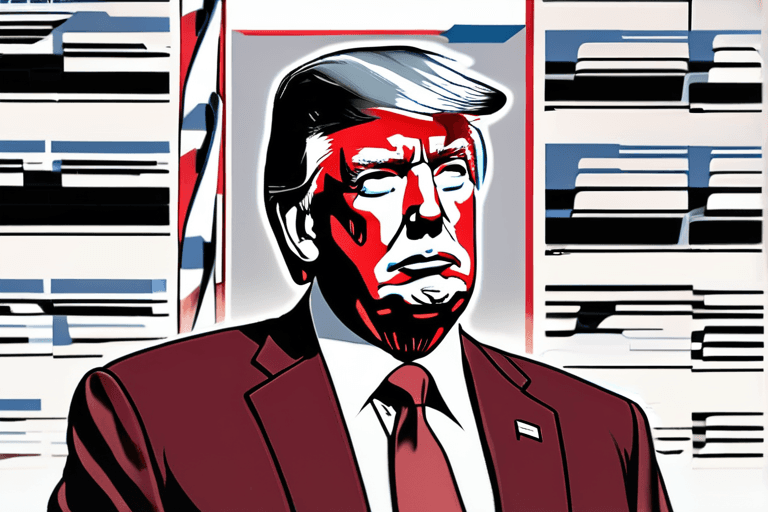
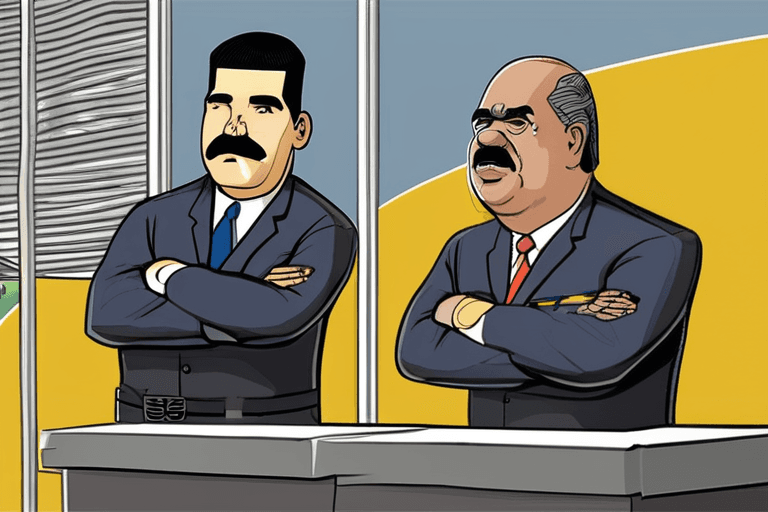
On January 3, 2026, U.S. President Donald Trump announced the capture of Venezuelan President Nicolás Maduro and his wife, marking a significant escalation of U.S. involvement in Venezuela. The announcement followed a large-scale U.S. strike within Venezuelan territory, according to a statement released by the White House early Saturday.
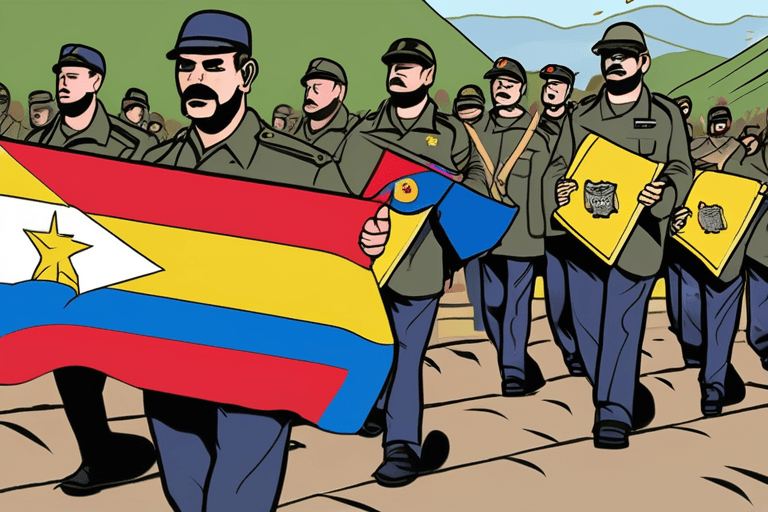
The capture of Maduro represents the culmination of escalating tensions between the U.S. and Venezuela, which have been simmering for years and intensified in recent months. Since September 2025, U.S. forces had been conducting bombing raids on alleged drug trafficking vessels operating near the Venezuelan coast, while simultaneously increasing its military presence in the region.
The U.S. government has long accused Maduro's regime of corruption, human rights abuses, and involvement in drug trafficking. These accusations have been consistently denied by the Venezuelan government, which views the U.S. actions as a violation of international law and an infringement on its national sovereignty.
The situation has drawn condemnation from various international bodies and nations. Many Latin American countries have expressed concern over the U.S. military intervention, fearing it could destabilize the region and set a precedent for future interventions. "We are deeply concerned about the use of force and the potential for further escalation," stated a representative from the Brazilian Foreign Ministry. "Dialogue and diplomacy are the only viable solutions to the complex challenges facing Venezuela."
Russia, a key ally of Venezuela, has also strongly denounced the U.S. actions. A spokesperson for the Russian Foreign Ministry called the capture of Maduro "an act of aggression" and demanded his immediate release. China has echoed similar sentiments, emphasizing the importance of respecting national sovereignty and non-interference in internal affairs.
Venezuela has been grappling with a severe economic crisis, political instability, and a humanitarian emergency for several years. Maduro's government has faced widespread protests and international pressure to hold free and fair elections. The U.S. has previously imposed sanctions on Venezuelan officials and entities in an attempt to pressure Maduro to step down.
The future of Venezuela remains uncertain following Maduro's capture. The U.S. has not yet announced its plans for the country, but speculation is rife about the possibility of a transitional government or new elections. The situation is being closely monitored by the international community, with many urging restraint and a peaceful resolution to the crisis. The United Nations Security Council is expected to hold an emergency session to discuss the situation in Venezuela in the coming days.













Discussion
Join the conversation
Be the first to comment