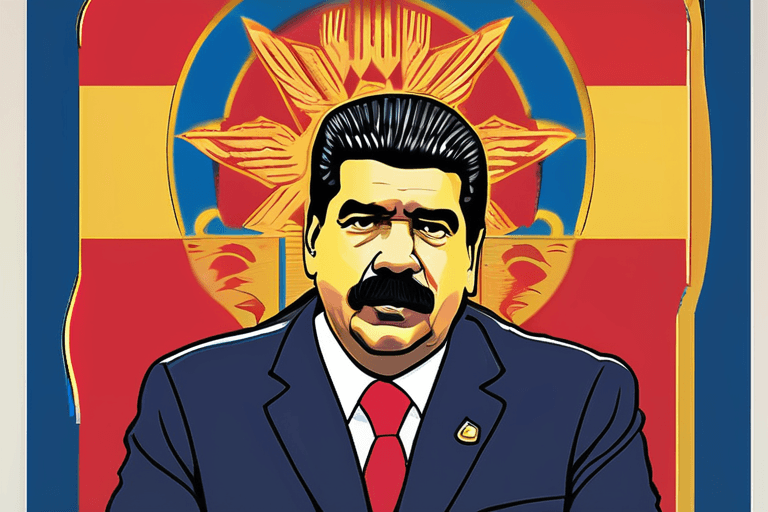
Within minutes of Donald Trump announcing the capture of Venezuelan President Nicolás Maduro and his wife, Cilia Flores, by U.S. troops early Saturday morning, a wave of disinformation washed across social media platforms, reflecting a growing trend of manipulation following major global events. Old videos were recirculated, falsely presented as footage of attacks on Caracas, the Venezuelan capital. Platforms like TikTok, Instagram, and X became conduits for AI-generated images and videos purporting to show U.S. Drug Enforcement Administration agents and other law enforcement personnel arresting Maduro.
The surge in disinformation highlights a cultural shift in how information is consumed and shared, particularly in the wake of significant political events. The speed and ease with which fabricated content spreads online underscores the challenges faced by individuals attempting to discern fact from fiction. This incident serves as a stark reminder of the potential for manipulation in the digital age, where algorithms often prioritize engagement over accuracy.
Trump announced the operation in a Truth Social post early Saturday, stating, "The United States of America has successfully carried out a large scale strike against Venezuela and its leader, President Nicolas Maduro, who has been, along with his wife, captured and flown out of the Country."
In recent years, major global incidents have consistently triggered substantial disinformation campaigns on social media. This phenomenon is partly attributed to tech companies scaling back efforts to moderate their platforms, creating an environment where malicious actors can exploit lax rules to boost engagement and gain followers. The incident involving Maduro's alleged capture is a case in point, demonstrating how quickly misinformation can proliferate in the absence of robust moderation.
The spread of disinformation not only undermines public trust in legitimate news sources but also has the potential to incite real-world consequences. By understanding the cultural context in which disinformation thrives, individuals can become more discerning consumers of online content and contribute to a more informed and responsible digital ecosystem. As the situation develops, the focus remains on verifying information and promoting media literacy to combat the spread of false narratives.



















Discussion
Join the conversation
Be the first to comment