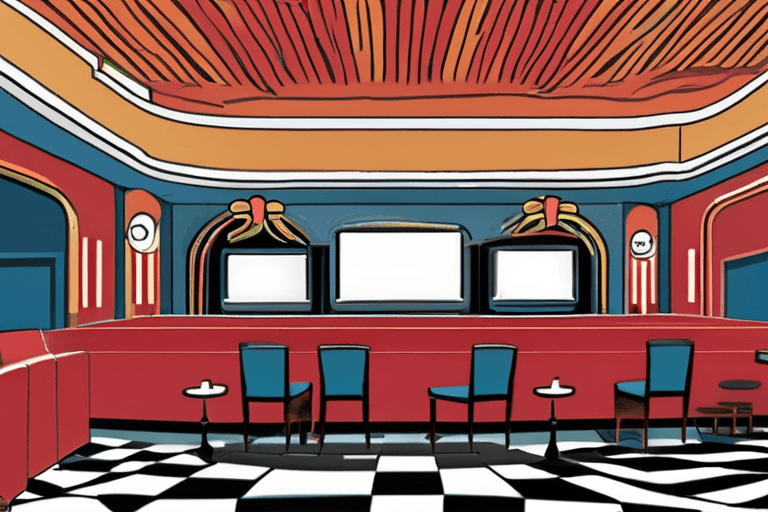
Leonardo DiCaprio recently voiced concerns about the future of movie theaters, questioning whether audiences still desire the traditional cinema experience. In an interview with The Times of London published this week, the "Titanic" star speculated about the potential transformation of movie theaters into niche venues, akin to jazz bars.
DiCaprio expressed his worries about the rapid changes occurring within the film industry. "It's changing at a lightning speed," DiCaprio stated, highlighting the significant transition underway. He noted the diminishing presence of documentaries in cinemas and the limited theatrical runs for dramas, with audiences increasingly opting to stream them at home. "First, documentaries disappeared from cinemas. Now, dramas only get finite time and people wait to see it on streamers. I don't know."
The actor's comments arrive amid ongoing debates about the impact of streaming services on the film industry and the evolving habits of moviegoers. The rise of platforms like Netflix, Amazon Prime Video, and Disney+ has provided consumers with greater access to content from the comfort of their homes, challenging the traditional dominance of movie theaters.
Industry analysts have observed a shift in audience behavior, with some moviegoers becoming more selective about the films they choose to see in theaters, often prioritizing big-budget blockbusters and event movies. This trend has led to concerns about the viability of smaller, independent films and dramas in the theatrical market.
The cultural impact of movie theaters extends beyond entertainment, serving as community gathering places and shared cultural experiences. The potential decline of movie theaters raises questions about the future of these social spaces and their role in shaping cultural conversations.
As the film industry continues to evolve, the debate surrounding the future of movie theaters remains a central topic. DiCaprio's remarks add to the ongoing discussion about how to preserve the cinematic experience and adapt to changing audience preferences.















Discussion
Join the conversation
Be the first to comment