Experts predict artificial intelligence and cybernetic enhancements will significantly reshape education and human capabilities by 2050, impacting industries from healthcare to manufacturing. The anticipated advancements raise questions about accessibility, ethical considerations, and the future of human-machine interaction.
Dr. Anya Sharma, a leading researcher in AI education at the Massachusetts Institute of Technology, stated that AI teachers could personalize learning experiences to an unprecedented degree. "Imagine a system that adapts to each student's learning style, pace, and knowledge gaps in real-time," Sharma said. "This could revolutionize education, especially in underserved communities where access to quality teachers is limited." These AI tutors, powered by advanced machine learning algorithms, would analyze student performance data to tailor lessons, provide individualized feedback, and identify areas requiring additional support.
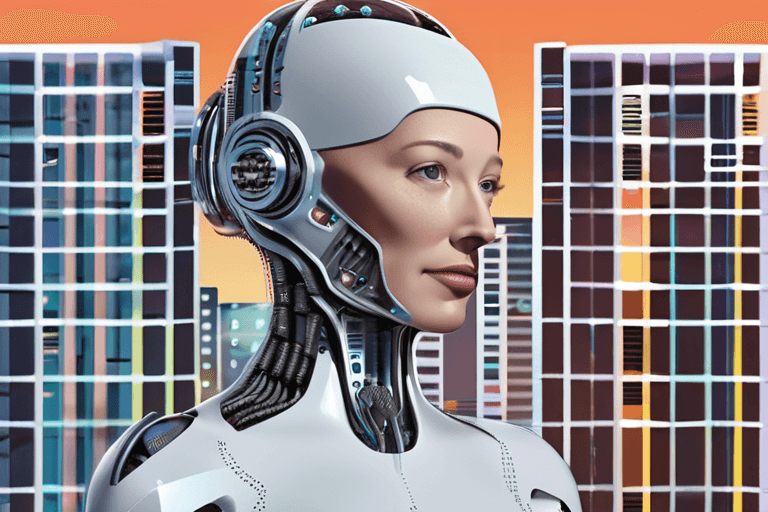
Cybernetics, the integration of technology with the human body, is also expected to play a major role. Companies like Neuralink are developing brain-computer interfaces (BCIs) that could enhance cognitive abilities, restore lost functions, and even allow for direct communication with machines. "BCIs have the potential to address neurological disorders, improve motor skills, and unlock new forms of human expression," explained Dr. Kenji Tanaka, CEO of Cyberdyne Inc., a company specializing in robotic exoskeletons and cybernetic limbs. Cyberdyne's HAL (Hybrid Assistive Limb) exoskeleton, currently used in rehabilitation, exemplifies the potential of cybernetics to augment human capabilities.
The widespread adoption of these technologies raises important ethical considerations. Concerns about data privacy, algorithmic bias, and the potential for widening social inequalities are paramount. "We need to ensure that AI and cybernetics are developed and deployed responsibly, with a focus on equity and inclusivity," warned Dr. Emily Carter, a bioethicist at Stanford University. "Robust regulatory frameworks and ethical guidelines are essential to mitigate the risks and maximize the benefits of these technologies."
The economic impact of AI teachers and cybernetics is projected to be substantial. The education technology market is expected to reach \$404 billion by 2030, according to a report by Grand View Research, driven by the increasing demand for personalized learning solutions. The global market for medical robots and cybernetics is also poised for significant growth, with estimates exceeding \$20 billion by 2027, fueled by advancements in prosthetics, exoskeletons, and surgical robots.
Currently, AI-powered educational tools are being piloted in various schools and universities. Companies like Coursera and Khan Academy are already using AI to personalize learning paths and provide automated feedback. Clinical trials of BCIs are underway, focusing on restoring motor function in patients with paralysis and developing treatments for neurological disorders. The next decade will likely see further advancements in these technologies, along with increased scrutiny of their ethical and societal implications.















Discussion
Join the conversation
Be the first to comment