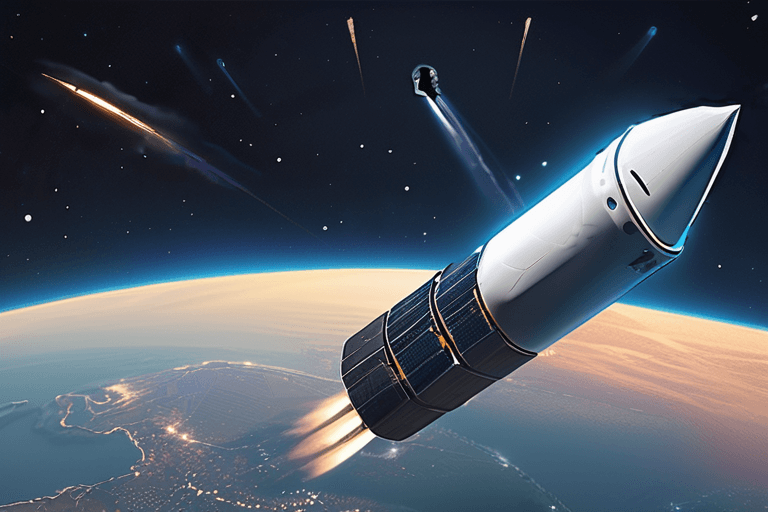
SpaceX is initiating a significant reconfiguration of its Starlink satellite constellation, involving the repositioning of approximately 4,400 satellites to lower altitudes throughout 2026. The company, which operates the largest satellite fleet in orbit, will move these satellites from an altitude of 341 miles (550 kilometers) to 298 miles (480 kilometers), according to Michael Nicolls, SpaceX’s vice president of Starlink engineering.
The maneuvers, executed using the Starlink satellites' plasma engines, are designed to enhance space safety, Nicolls stated in a post on X on Thursday. Despite bringing a large fraction of orbital traffic closer together, the company anticipates a reduction in the risk of collisions. The decision comes as the number of active satellites orbiting Earth surpassed 14,000 by the end of 2025, increasing the potential for in-space incidents.
SpaceX's Starlink constellation provides internet services globally, and the reconfiguration could impact the latency and signal strength experienced by users. While the company has not released specific financial projections related to the move, the long-term benefits of increased space safety could reduce potential costs associated with satellite damage or loss. The company has invested billions in the Starlink project, and maintaining the operational integrity of the constellation is paramount to its continued success and market position.
The move also comes amid increasing scrutiny of satellite operators regarding space debris and the potential for collisions. Regulatory bodies and international organizations are pushing for responsible space operations to ensure the long-term sustainability of the orbital environment. SpaceX's proactive approach to space safety could set a precedent for other satellite operators and influence future regulations.
The gradual maneuvers will be closely monitored by space traffic management organizations and other satellite operators. The success of the reconfiguration will depend on the precision of the satellite movements and the effectiveness of collision avoidance systems. SpaceX has not yet announced a specific timeline for the completion of the reconfiguration, but the company expects the process to unfold throughout 2026.



















Discussion
Join the conversation
Be the first to comment