Caracas experienced a standstill in commercial activity Sunday, with widespread closures of stores and gas stations, following the ousting of President Nicolás Maduro in a U.S. military operation. The abrupt change in leadership triggered immediate economic uncertainty, leading to a scramble for essential goods the previous day.
The immediate financial impact is difficult to quantify, but anecdotal evidence suggests a sharp contraction in economic activity. Lines had formed at stores and gas stations as Venezuelans anticipated potential disruptions. The closure of businesses on Sunday indicates a freeze in consumer spending and commercial operations, potentially impacting daily GDP figures.
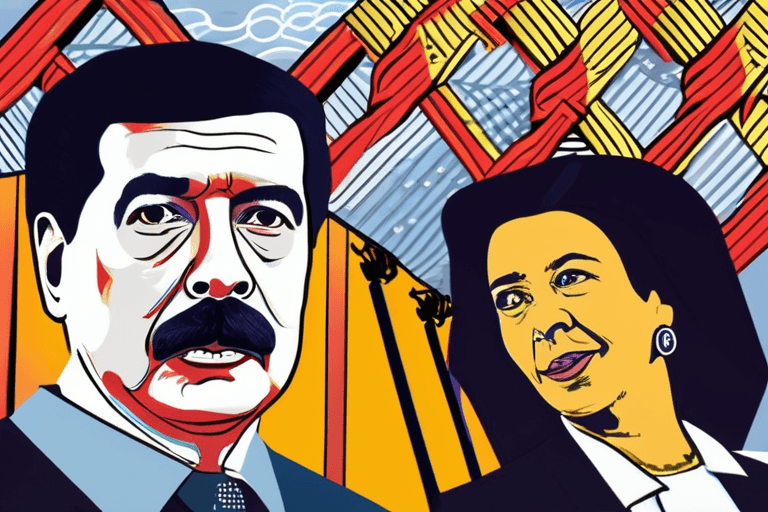
The Venezuelan market, already fragile due to years of hyperinflation and economic mismanagement, faces further instability. The political vacuum and the U.S.'s stated intention to govern the country, alongside Maduro's Vice President Delcy Rodríguez, create a climate of uncertainty for investors and businesses. This could lead to capital flight and further devaluation of the bolivar.
Venezuela's economy has been heavily reliant on oil exports, with state-owned oil company PDVSA being a key player. The change in government raises questions about the future of PDVSA, its contracts, and its relationship with international partners. Any disruption to oil production and exports would have significant implications for the country's revenue and its ability to import essential goods.
The future outlook remains highly uncertain. The success of the U.S.-backed transition will depend on its ability to stabilize the economy, restore confidence in the bolivar, and attract foreign investment. The involvement of Vice President Rodríguez adds a layer of complexity, given her association with the previous regime. The coming weeks will be crucial in determining the direction of Venezuela's economy and its integration into the global market.
















Discussion
Join the conversation
Be the first to comment