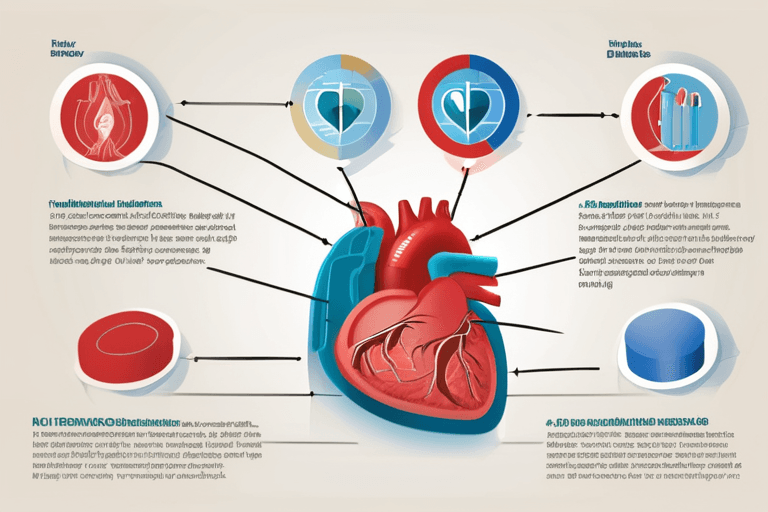
The study, which examined donated human hearts, found that type 2 diabetes disrupts the way heart cells generate energy, weakens the heart muscle's structural integrity, and promotes the accumulation of stiff, fibrous tissue. This buildup makes it more difficult for the heart to pump blood effectively. The researchers noted that these changes were particularly pronounced in individuals with ischemic heart disease, the leading cause of heart failure.
"Our findings demonstrate that type 2 diabetes has a direct and detrimental impact on the heart's energy systems and physical structure," said a lead researcher from the University of Sydney. "These changes, often hidden, contribute significantly to the increased risk of heart failure observed in people with diabetes."
The research highlights the importance of understanding the complex relationship between diabetes and heart health. The alterations observed in the heart's energy production and muscle structure provide a clearer picture of why individuals with diabetes are more susceptible to heart failure. The study also points to potential avenues for developing targeted therapies to mitigate these damaging effects.
The implications of this research extend beyond individual health, impacting society's approach to diabetes management and prevention. As the global prevalence of type 2 diabetes continues to rise, understanding its effects on vital organs like the heart becomes increasingly critical. Public health initiatives focused on early detection, lifestyle interventions, and optimized diabetes care could play a crucial role in reducing the burden of heart disease associated with diabetes.
Future research will focus on identifying specific molecular mechanisms driving these changes in the heart and exploring potential interventions to prevent or reverse them. The researchers also plan to investigate the role of artificial intelligence (AI) in analyzing large datasets of patient information to predict individual risk and personalize treatment strategies. By leveraging AI's capabilities, healthcare professionals may be able to identify subtle changes in heart function earlier and tailor interventions to prevent the progression of heart disease in people with type 2 diabetes.
















Discussion
Join the conversation
Be the first to comment