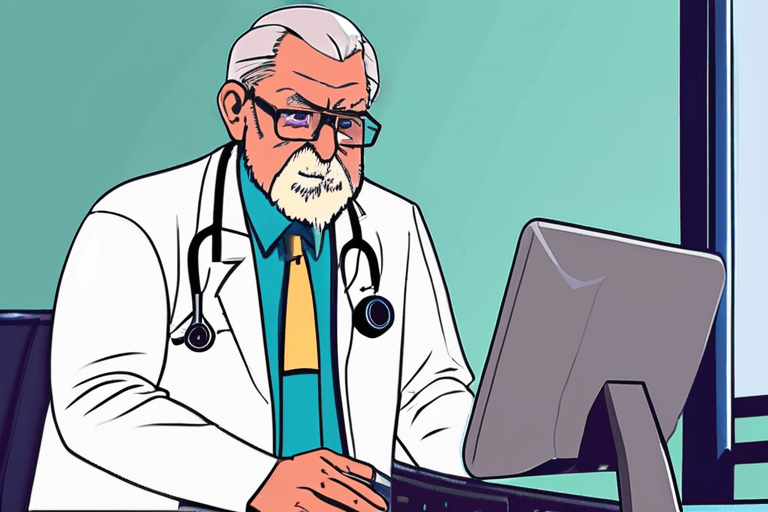
Fox's new series, "Best Medicine," premiered this week, starring Josh Charles as Doctor Best, a curmudgeonly physician navigating small-town life. The hour-long show, reviewed by Alison Herman for Pluribus on January 4, 2026, draws inspiration from series like "Schitt's Creek" and the British show "Doc Martin," focusing on a big-city professional adjusting to a more intimate, rural setting.
Herman noted that while the show embraces a familiar formula, Charles' performance provides a grounding element. "His cantankerous charm keeps the sometimes forced-feeling zaniness in check through the first four episodes," she wrote. The series explores the challenges and rewards of practicing medicine in a close-knit community, a theme that resonates with many healthcare professionals.
Dr. Emily Carter, a family physician in rural Vermont, commented on the show's premise. "The transition from a large urban hospital to a small-town practice can be significant," she said. "Resources may be limited, but the opportunity to build strong relationships with patients is invaluable." This sentiment reflects a growing trend of physicians seeking opportunities in underserved rural areas, driven by a desire for greater autonomy and a more personal connection with their patients.
"Best Medicine" also touches on the potential for culture clash between a doctor accustomed to cutting-edge technology and a community that may be more traditional in its approach to healthcare. This tension highlights the importance of cultural sensitivity and effective communication in medical practice, according to Dr. David Miller, a professor of medical ethics. "Doctors need to be aware of their own biases and assumptions and be willing to listen to and learn from their patients," he explained.
The show's depiction of small-town life, while potentially exaggerated for comedic effect, also raises important questions about access to healthcare in rural communities. Many rural areas face shortages of physicians and other healthcare professionals, leading to longer wait times and limited access to specialized care. "Addressing these disparities requires a multi-faceted approach, including incentives for doctors to practice in rural areas, investments in telehealth infrastructure, and community-based health initiatives," stated Dr. Carter.
"Best Medicine" is currently airing on Fox, with new episodes broadcast weekly. The show's success will likely depend on its ability to balance humor with a realistic portrayal of the challenges and rewards of rural medical practice.














Discussion
Join the conversation
Be the first to comment