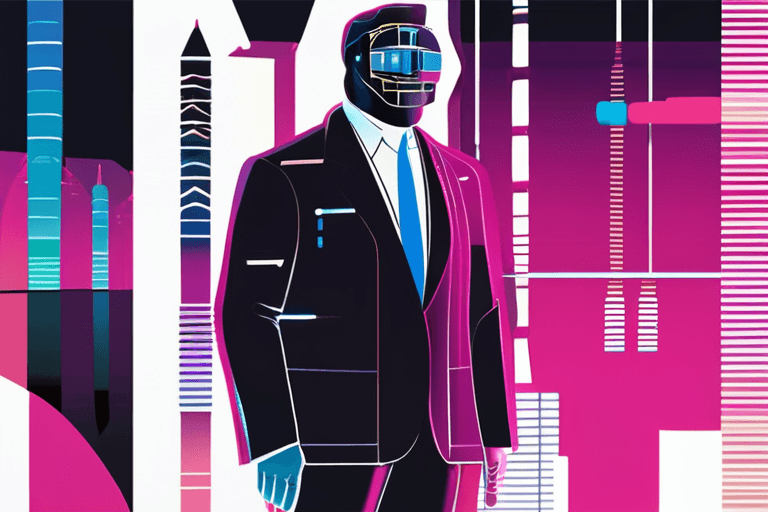
The flashing lights of Las Vegas weren't just reflecting off the chrome of self-driving cars this year at CES. They were glinting in the eyes of Hollywood's elite, who descended on the Variety Entertainment Summit with a mission: to decode the enigma that is Artificial Intelligence. Forget the blackjack tables; the real gamble was figuring out how AI will reshape storytelling, content creation, and the very future of entertainment.
For nearly three decades, the Variety Entertainment Summit has been a vital part of the annual Consumer Electronics Show in Las Vegas. Since 1998, it has served as a crucial meeting point where the entertainment industry grapples with the latest technological advancements. This year, held at the C-Space Studio, the summit focused squarely on AI, a topic that has moved from science fiction fantasy to an everyday reality.
The summit wasn't just a dry lecture series. It was a vibrant exchange of ideas, fears, and, yes, even a little bit of excitement. Imagine seasoned studio executives, who once relied on gut instinct and focus groups, now wrestling with algorithms that can predict audience preferences with unnerving accuracy. Picture A-list actors, accustomed to commanding million-dollar salaries, pondering the implications of AI-generated performers.
The discussions were wide-ranging, covering everything from AI-powered scriptwriting tools to the ethical considerations of deepfakes. One particularly lively panel explored the potential of AI to personalize entertainment experiences. "We're moving beyond mass media to a world of 'media for one'," declared one studio head. "AI allows us to tailor content to individual tastes in ways we never thought possible."
But the summit wasn't without its skeptics. Veteran producer, known for her work on iconic shows like "The Mary Tyler Moore Show" and "The Simpsons," voiced concerns about the potential for AI to stifle creativity. "Great art comes from the human heart, from our flaws and our passions," she argued. "Can an algorithm truly replicate that?"
The summit also addressed the economic realities of AI in entertainment. With studios facing increasing pressure to cut costs, AI-powered tools that can automate tasks like editing, visual effects, and even casting are becoming increasingly attractive. "We're not talking about replacing human talent," one executive clarified, "but rather augmenting it, freeing up creatives to focus on the bigger picture."
As the Variety Entertainment Summit drew to a close, one thing was clear: AI is not just a trend; it's a fundamental shift in the entertainment landscape. Whether it will be a force for good or a disruptive threat remains to be seen. But one thing is certain: Hollywood is betting big on AI, and the stakes are higher than ever.














Discussion
Join the conversation
Be the first to comment