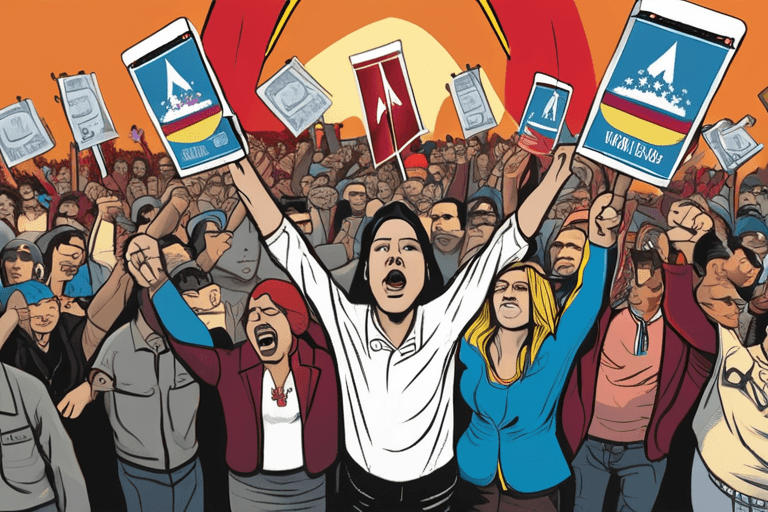
US cities saw protests erupt over the weekend in response to the Trump administration's alleged military intervention in Venezuela, potentially impacting US-Venezuela trade relations and raising concerns for businesses operating in the region.
While specific financial figures directly tied to the protests are unavailable, the potential disruption to trade and investment flows between the US and Venezuela is significant. In 2018, before the full force of US sanctions, trade between the two nations amounted to approximately $6 billion, according to the US Trade Representative. This figure has likely decreased substantially since then, but any further escalation of tensions could further depress these numbers. The protests highlight the deep divisions within the US regarding foreign policy and the potential economic consequences of interventionist strategies.
The market context is one of increasing geopolitical instability. Venezuela's economy has been in freefall for years, exacerbated by hyperinflation and US sanctions. The alleged US military operation to remove President Maduro, even if ultimately unsuccessful, adds another layer of uncertainty. For businesses, this translates to increased risk premiums for investments in Venezuela and potentially higher costs for securing trade routes. Companies involved in oil and gas, in particular, face heightened scrutiny and potential disruptions to their operations.
The situation also raises questions about the role of AI in analyzing and predicting geopolitical events. AI-powered platforms are increasingly used to monitor social media sentiment, track protest movements, and assess the likelihood of political instability. However, these systems are not infallible and can be susceptible to bias or manipulation. The accuracy of AI-driven risk assessments is crucial for businesses making investment decisions in volatile regions like Venezuela.
Looking ahead, the future remains uncertain. The protests in US cities reflect a growing anti-war sentiment and a questioning of US foreign policy. The business implications are clear: companies need to carefully assess the risks associated with operating in or trading with Venezuela, and they need to be prepared for potential disruptions to their supply chains and investment portfolios. Furthermore, businesses should invest in robust risk management strategies that incorporate AI-driven analysis while remaining aware of the limitations of these technologies. The events in Venezuela serve as a reminder of the complex interplay between geopolitics, economics, and technology in the 21st century.
















Discussion
Join the conversation
Be the first to comment