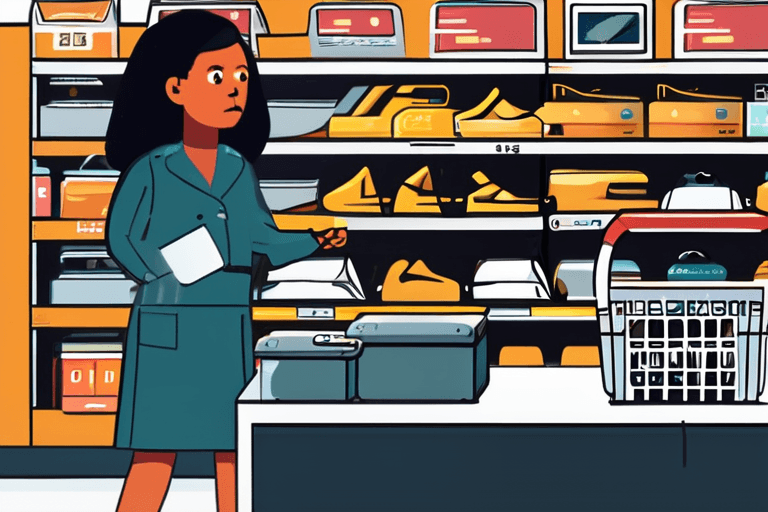
A BBC reporter recently tested artificial intelligence (AI) anti-shoplifting technology being implemented by some major retailers and independent stores. The technology includes AI body scans, CCTV systems, and facial recognition software.
The test, conducted at an undisclosed location, aimed to evaluate the effectiveness and potential drawbacks of these systems. While specific details of the test were not released, the BBC report highlighted the increasing use of AI in retail loss prevention.
AI-powered anti-shoplifting systems typically work by analyzing video footage from security cameras in real-time. These systems are trained to identify suspicious behaviors, such as prolonged loitering near high-value items, concealing merchandise, or making furtive glances. When suspicious activity is detected, the system alerts store staff, allowing them to intervene. Facial recognition technology can also be used to identify known shoplifters or individuals previously banned from the store.
The rise of AI in retail security raises several important questions about privacy and civil liberties. Critics argue that these systems can lead to profiling and discrimination, particularly against marginalized groups. There are also concerns about the accuracy of AI algorithms and the potential for false positives, which could result in innocent shoppers being wrongly accused of theft.
"The implementation of AI in retail settings presents a complex ethical dilemma," said Dr. Emily Carter, a professor of AI ethics at Oxford University. "While these technologies offer the potential to reduce crime and improve security, it's crucial to ensure that they are used responsibly and in a way that respects individual rights."
Proponents of AI anti-shoplifting technology argue that it is a necessary tool for retailers to combat rising levels of theft. They point out that shoplifting costs businesses billions of dollars each year, which ultimately leads to higher prices for consumers. They also argue that AI systems can be more effective than human security guards at detecting suspicious behavior, as they are not subject to fatigue or bias.
Several companies are developing and marketing AI anti-shoplifting solutions. These systems often incorporate machine learning algorithms that are constantly refined based on new data. The latest developments include systems that can analyze body language and predict the likelihood of theft based on subtle cues.
The use of AI in retail security is likely to continue to grow in the coming years. As the technology becomes more sophisticated and affordable, more retailers are expected to adopt these systems. However, it is essential that policymakers and the public engage in a thoughtful discussion about the ethical and social implications of AI-powered surveillance. Further research is needed to assess the accuracy and fairness of these systems, and regulations may be necessary to ensure that they are used responsibly.















Discussion
Join the conversation
Be the first to comment