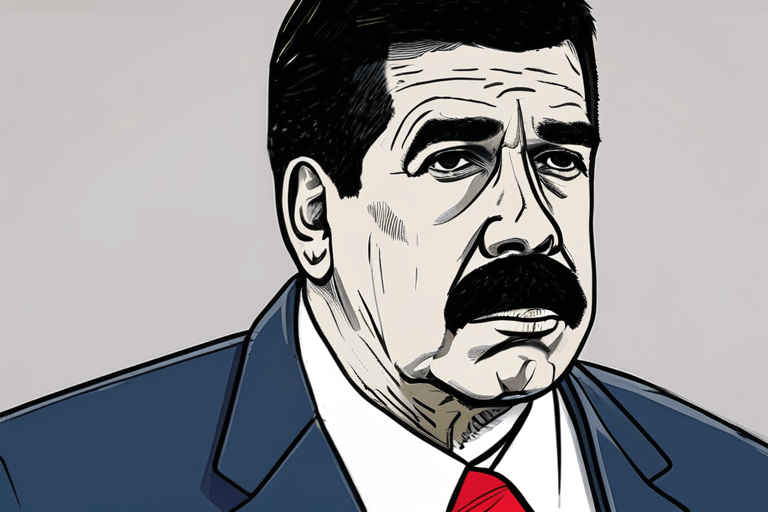
The capture follows years of political and economic turmoil in Venezuela, marked by hyperinflation, shortages of basic goods, and widespread emigration. Maduro's leadership was widely criticized internationally for alleged human rights abuses and undermining democratic institutions. The U.S. had previously imposed sanctions on Venezuela in an attempt to pressure Maduro to step down.
"There's a sense of relief, definitely," said Maria Rodriguez, a Venezuelan living in Caracas, in an interview. "But also, there's a big question mark. What happens now?"
The U.S. government has not yet released details about its plans for Venezuela, but officials have stated their commitment to supporting a peaceful and democratic transition. However, some Venezuelans express skepticism about U.S. intentions, recalling past interventions in Latin America.
"We need to be careful," warned Carlos Perez, a political analyst in Caracas. "We don't want to replace one form of authoritarianism with another, even if it comes with promises of democracy."
The situation is further complicated by the involvement of other international actors. Russia and China, both allies of Maduro, have condemned the U.S. action, raising concerns about potential geopolitical tensions. The United Nations is calling for calm and urging all parties to engage in dialogue.
The future of Venezuela remains uncertain. The capture of Maduro has created a power vacuum, and various political factions are vying for control. The country faces significant challenges, including rebuilding its economy, restoring democratic institutions, and addressing the humanitarian crisis. The international community is closely watching the situation, with many hoping for a peaceful and sustainable resolution.










Discussion
Join the conversation
Be the first to comment