The year is 2026. Headlines scream of a daring US operation: the capture of Venezuelan President Nicolás Maduro and his wife on drug trafficking and narco-terrorism charges. While the world grapples with the geopolitical earthquake, a familiar question resurfaces: Is this about oil? President Trump himself fueled the speculation, hinting at strategic interests in Venezuela's vast petroleum reserves. But the truth, like the crude itself, is far more complex, a story stretching back a century, woven with ambition, exploitation, and the ever-present shadow of black gold.
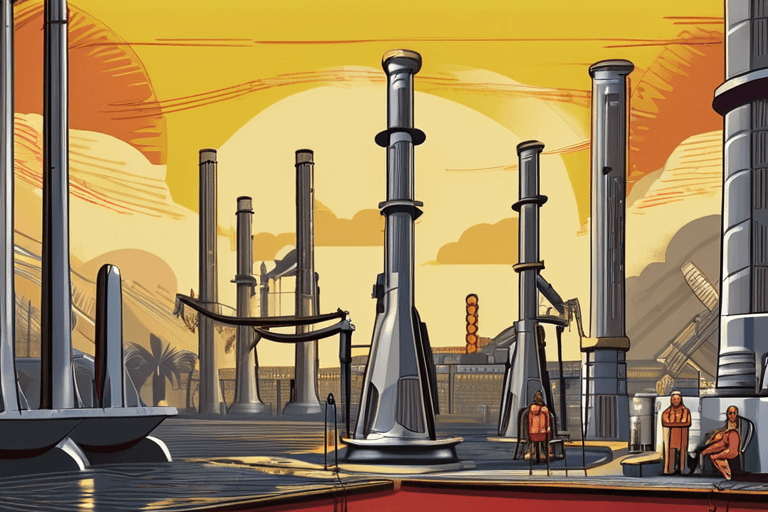
America's fascination with Venezuelan oil began in the early 20th century, a time when the internal combustion engine was transforming society and demand for gasoline was exploding. Venezuela, sitting atop some of the largest oil deposits in the world, became an irresistible target for American oil companies. The country offered cheap labor, lax regulations, and a government eager to modernize, making it a lucrative playground for the likes of Standard Oil and Gulf.
The initial boom years were marked by a stark imbalance of power. American companies extracted vast quantities of oil, reaping enormous profits while Venezuela received a pittance in royalties. This exploitation fueled resentment and sowed the seeds of future nationalization efforts. The Venezuelan people watched as their natural resources enriched foreign corporations, while they struggled with poverty and inequality.
The narrative shifted in the 1970s with the rise of OPEC and a growing sense of national pride in Venezuela. President Carlos Andrés Pérez nationalized the oil industry in 1976, creating Petróleos de Venezuela SA (PDVSA). This move was hailed as a victory for national sovereignty, a reclaiming of Venezuela's natural wealth for its people. However, nationalization also brought its own set of challenges, including mismanagement, corruption, and a reliance on oil revenues that stifled diversification of the economy.
The 21st century has witnessed a rollercoaster of events in Venezuela, from the socialist revolution of Hugo Chávez to the economic collapse under Nicolás Maduro. US-Venezuelan relations have deteriorated, marked by sanctions, accusations of interference, and now, the unprecedented capture of a sitting president. Throughout it all, oil has remained a central, albeit often unspoken, factor.
"The US has always viewed Venezuela through the lens of its oil reserves," explains Dr. Isabella Rodriguez, a professor of Latin American studies. "It's a strategic asset, and Washington has consistently sought to ensure access to it, regardless of the political regime in power."
The recent events raise profound questions about the future of US-Venezuelan relations and the role of oil in shaping geopolitical outcomes. Will the US intervention lead to a more stable and democratic Venezuela, or will it further destabilize the region and exacerbate existing tensions? The answer, like the history of America's century-long interest in Venezuelan oil, is likely to be complex and multifaceted, a story that continues to unfold.















Discussion
Join the conversation
Be the first to comment