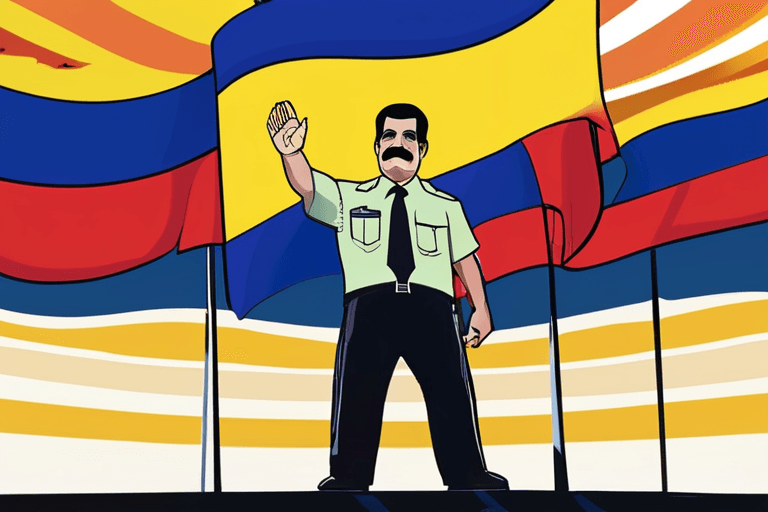
The intervention raises complex questions about U.S. involvement in Venezuelan affairs and the potential long-term consequences for the nation's stability and sovereignty. Some Venezuelans expressed hope that Maduro's removal would pave the way for democratic reforms and economic recovery, while others voiced concerns about foreign interference and the potential for further instability.
Venezuela has been mired in a deep political and economic crisis for years, marked by hyperinflation, shortages of basic goods, and widespread emigration. Maduro's leadership was widely criticized for its authoritarian tendencies and mismanagement of the economy. The U.S. government had long maintained a policy of pressure against Maduro's regime, including sanctions and diplomatic isolation.
The capture of Maduro represents a significant escalation of U.S. involvement in Venezuela. The implications of this action are far-reaching, not only for Venezuela but also for regional geopolitics and international relations. The move could embolden opposition movements in other countries facing authoritarian rule, while also raising concerns about the limits of U.S. interventionism.
The future of Venezuela remains uncertain. The removal of Maduro creates a power vacuum and opens the door for a potential transition to a more democratic government. However, the country faces significant challenges, including deep divisions within society, a devastated economy, and the potential for continued political instability. The international community is closely watching the situation, with many countries calling for a peaceful and democratic resolution to the crisis.
















Discussion
Join the conversation
Be the first to comment