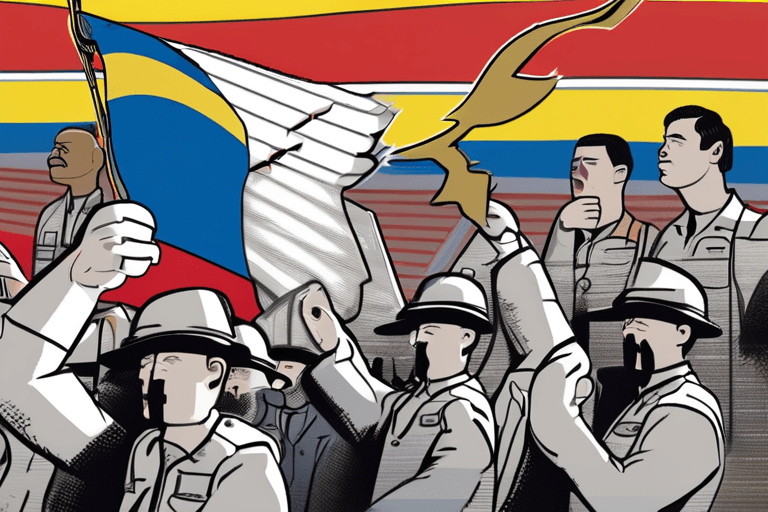
Elio Mendoza, a resident on the outskirts of Caracas, recounted being awakened by the sounds of airplanes and explosions. He told Texas Public Radio that after turning on his television, he learned of the U.S. military assault. Mendoza described the streets in his neighborhood as deserted and tense in the hours following the attack, with residents relying on media for information.
The U.S. action comes after years of political and economic instability in Venezuela, marked by hyperinflation, shortages of essential goods, and widespread emigration. Maduro's government faced accusations of authoritarianism and human rights abuses from international organizations and numerous countries. The U.S. had previously imposed sanctions aimed at pressuring Maduro to step down.
The capture of Maduro raises questions about the power vacuum and the potential for a transitional government. The United States has not yet outlined a clear plan for the future of Venezuela, leaving many Venezuelans wary of long-term U.S. influence. The history of U.S. intervention in Latin America has created a sense of skepticism among some, who fear a repeat of past interventions that led to further instability.
The international community is closely watching the situation, with varying opinions on the legitimacy and potential consequences of the U.S. action. Some nations have expressed support, citing the need to restore democracy and stability in Venezuela. Others have condemned the intervention as a violation of international law and national sovereignty. The coming days and weeks will be crucial in determining the path forward for Venezuela and the role of external actors in shaping its future.













Discussion
Join the conversation
Be the first to comment