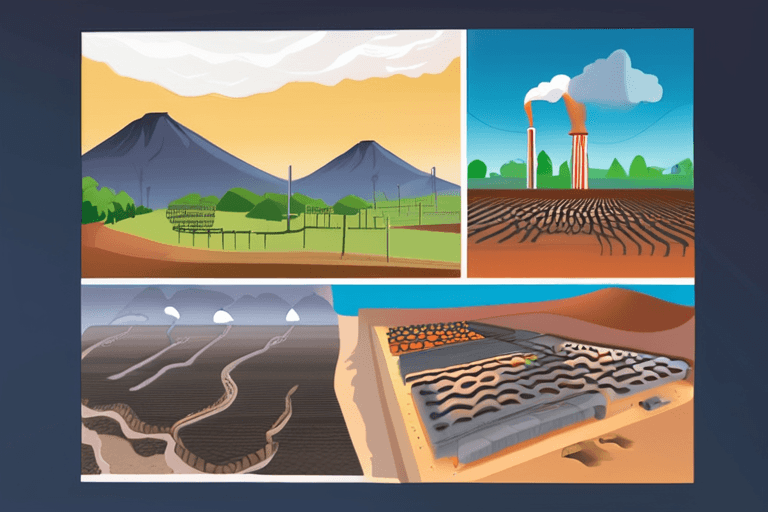
In Gilgil, Kenya, startup Octavia Carbon initiated a high-stakes test in June of last year, employing geothermal energy to power direct air capture (DAC) prototypes, a technology aimed at removing carbon dioxide from the atmosphere. The company asserts its method is efficient, affordable, and scalable, positioning DAC as a potential tool in mitigating global temperature increases.
Direct air capture, while promising, remains a contentious technology due to its unproven scalability and high operational costs. Octavia Carbon's long-term vision involves demonstrating DAC's viability as a significant climate change solution. However, the technology faces skepticism and concerns regarding its practical implementation on a large scale.
The project also raises questions about its impact on local communities. Kenya's Maasai people, in particular, have historical reasons to be wary of energy companies, adding a layer of complexity to the project's social implications. The intersection of technological innovation and community trust will be critical to the project's success.
Diana Kruzman's reporting on Octavia Carbon is part of MIT Technology Review's Big Story series, which focuses on ambitious and important reporting. The series aims to provide in-depth analysis of complex issues, such as the potential and challenges of DAC technology.
The development and deployment of DAC technology are closely watched by climate scientists and policymakers. If proven effective and economically viable, DAC could play a crucial role in achieving global carbon emission reduction targets. However, significant technological advancements and cost reductions are needed before DAC can be widely adopted.
















Discussion
Join the conversation
Be the first to comment