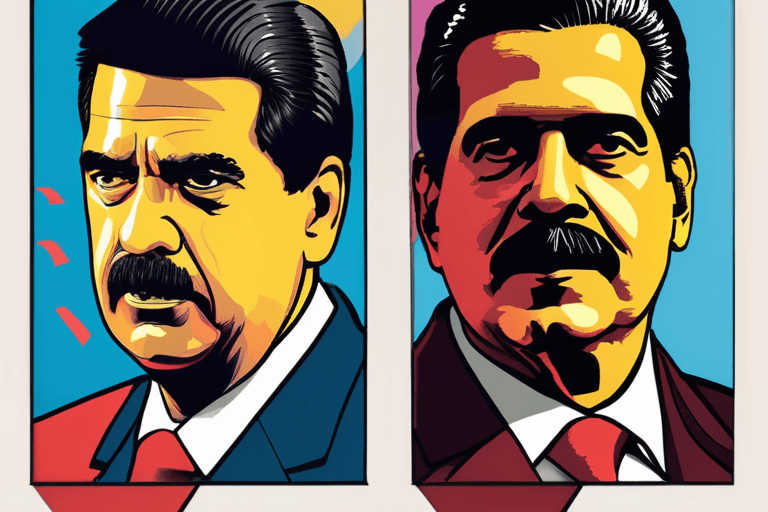
The dissemination of these AI-generated images coincided with real videos and photos of U.S. aircraft and explosions circulating online, further blurring the lines between reality and fabrication. This incident underscores the potential for artificial intelligence to be used to spread disinformation and manipulate public opinion, particularly in times of crisis. Experts note that the speed and scale at which these images spread were facilitated by the increasing sophistication and accessibility of AI image generation tools.
Generative Adversarial Networks (GANs), a type of AI algorithm, are often used to create these hyperrealistic images. GANs work by pitting two neural networks against each other: a generator, which creates the images, and a discriminator, which tries to distinguish between real and fake images. Through this iterative process, the generator learns to create increasingly realistic images that can be difficult to detect as synthetic. The incident involving the Maduro images demonstrates how these technologies can be weaponized to spread false narratives.
"The ease with which these AI-generated images can be created and disseminated is alarming," stated Dr. Maya Thompson, a professor of media studies at the University of California, Berkeley. "It's becoming increasingly difficult for the average person to discern what is real and what is not, which has serious implications for our understanding of current events and our trust in information sources."
The lack of verified information surrounding the alleged U.S. attack on Venezuela further exacerbated the problem. The absence of official statements from government sources allowed the AI-generated images to fill the information void, shaping public perception before accurate information could be confirmed. This highlights the importance of media literacy and critical thinking skills in navigating the digital landscape.
Several social media platforms have begun implementing measures to detect and flag AI-generated content, but the technology is constantly evolving, making it a continuous cat-and-mouse game. Researchers are exploring methods such as watermarking and forensic analysis to identify synthetic images, but these techniques are not foolproof. The incident serves as a stark reminder of the need for ongoing research and development in AI detection and media literacy education to mitigate the risks of disinformation. The situation remains fluid, with fact-checking organizations working to debunk the false images and provide accurate information about the situation in Venezuela.














Discussion
Join the conversation
Be the first to comment