These drainage events have accelerated in recent years, leading to unusual triangular fracture patterns and flooding the glacier's base with water in a matter of hours. Researchers observed instances where the draining water pushed the ice upward from below, creating a blister-like effect. The scientists first detected the lake in observational records from 1995. Before then, no lakes had existed in this part of the 79N Glacier, according to the institute.
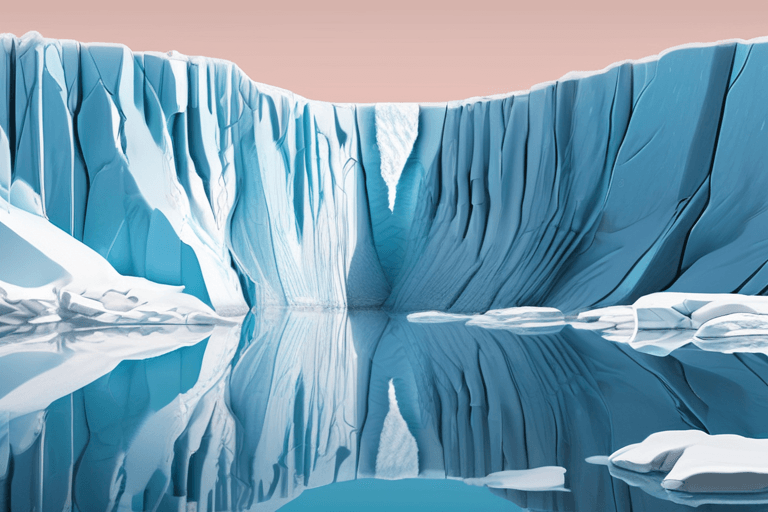
The formation of the meltwater lake in 1995 marked a turning point for the 79N Glacier. The outflowing water from the lake is now causing gigantic cracks and lifting the glacier, researchers noted. The increasing frequency and intensity of these drainage events raise concerns about the long-term stability of the glacier and whether it can ever return to its previous seasonal rhythm.
The study highlights the impact of climate change on Greenland's ice sheets and the complex processes involved in glacial melt. The findings contribute to a broader understanding of how meltwater dynamics influence glacier behavior and sea-level rise. Scientists are now focusing on predicting future drainage events and assessing their potential consequences for the 79N Glacier and the surrounding environment.
















Discussion
Join the conversation
Be the first to comment