Physicists and historians are calling for greater recognition of the crucial contributions women made to the development of quantum mechanics, a field often associated with male figures. These calls come amid ongoing discussions about gender bias and historical oversights in science.
The book "Women in the History of Quantum Physics: Beyond Knabenphysik," edited by Patrick Charbonneau et al. and slated for publication by Cambridge University Press in 2025, aims to address this gap by highlighting the work of female scientists who significantly shaped the field.
For many women in science, their careers have been marked by challenges that their male counterparts often did not face. These challenges included experiencing doubt about their own expertise, receiving less recognition for their work, having their ideas dismissed until repeated by men, and navigating gendered divisions of labor, pay gaps, and various forms of prejudice. Many felt pressured to choose between their careers and family life.
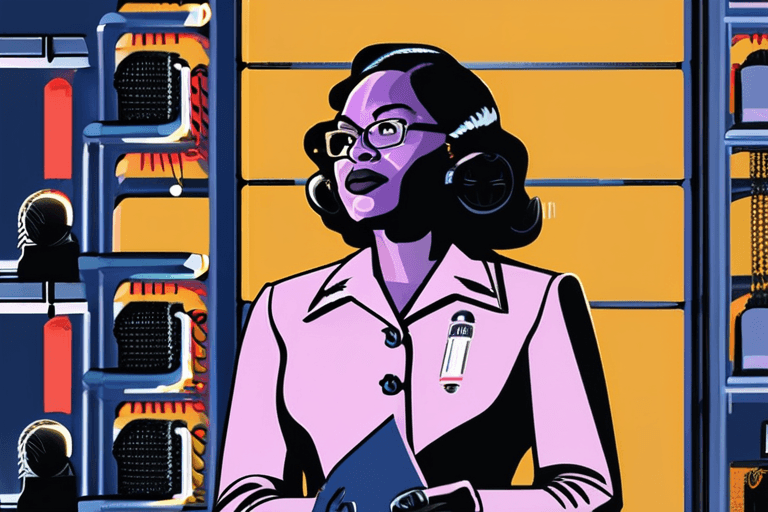
One example of a woman who overcame significant obstacles was Williamina Fleming, a Scottish astronomer. After being abandoned by her husband in Massachusetts in 1878, Fleming found work as a household employee for Edward Pickering, the director of Harvard College Observatory. She eventually transitioned to working at the observatory, where she made significant contributions to astronomy.
Chien-Shiung Wu, another notable figure, experimentally confirmed quantum entanglement. Her work provided crucial evidence for a key concept in quantum mechanics.
The push for recognition extends beyond individual achievements to address systemic issues affecting women in science globally. These issues include unequal opportunities, lack of mentorship, and biases in evaluation processes. Advocates hope that by acknowledging the historical contributions of women like Fleming and Wu, and by addressing current challenges, the scientific community can create a more inclusive and equitable environment for future generations of female scientists.

















Discussion
Join the conversation
Be the first to comment