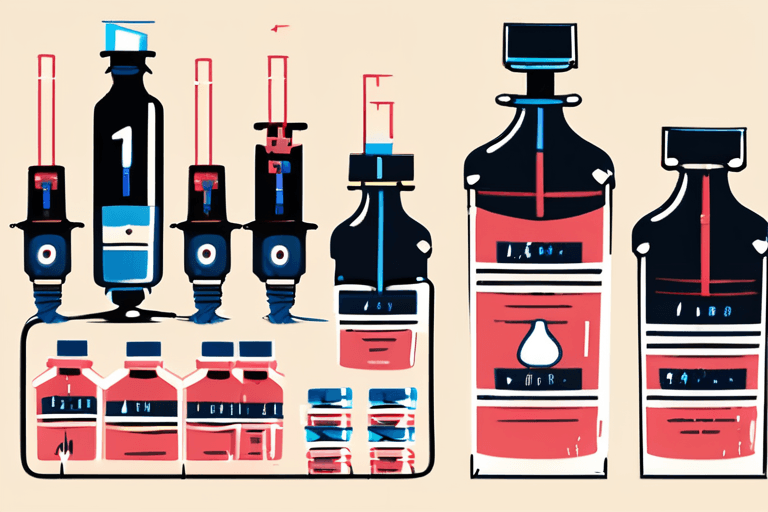
Federal health officials announced Monday a significant reduction in the recommended number of childhood vaccinations in the United States, decreasing the schedule from 17 to 11. The decision comes under the leadership of Health Secretary Robert F. Kennedy Jr., a figure known for his anti-vaccine stance, and has sparked both support and strong criticism.
Officials stated the change aims to bring U.S. vaccine recommendations in line with those of other high-income nations, citing Denmark as a primary example. Denmark, a country with a population of approximately 6 million and a universal healthcare system, has a less extensive childhood vaccine schedule. The officials also attributed the decision to a need to restore public confidence in vaccinations, which they acknowledge has been eroded by anti-vaccine movements, including those led by Kennedy.
"This decision protects children, respects families, and rebuilds trust in public health," Kennedy said in a statement.
However, the move has been met with fierce opposition from many health experts. Virologist James Alwine, associated with the organization Defend Public Health, condemned the decision. "Kennedy's decision will harm and kill children, like all of his anti-vaccination decisions will," Alwine stated.
The U.S. Centers for Disease Control and Prevention (CDC) typically sets the recommended vaccine schedule, which is then adopted by many states. These schedules are designed to protect children from a range of preventable diseases, such as measles, mumps, rubella, and polio. The debate over vaccine schedules is not unique to the U.S. In Europe, for example, vaccine policies vary widely from country to country, reflecting differing healthcare priorities and cultural attitudes toward vaccination. Some nations, like France and Italy, have made certain vaccines mandatory for school enrollment, while others, like the United Kingdom, maintain a voluntary system.
The decision in the U.S. arrives amid ongoing global discussions about vaccine hesitancy and the spread of misinformation. The World Health Organization (WHO) has repeatedly emphasized the safety and efficacy of vaccines, highlighting their crucial role in preventing infectious diseases and reducing childhood mortality worldwide.
The specific vaccines being removed from the U.S. recommended schedule have not yet been detailed by federal health officials. Further announcements are expected in the coming weeks, which will likely include clarifications on the implementation of the revised schedule and its potential impact on public health. The changes are expected to be closely monitored by public health organizations both domestically and internationally.
















Discussion
Join the conversation
Be the first to comment