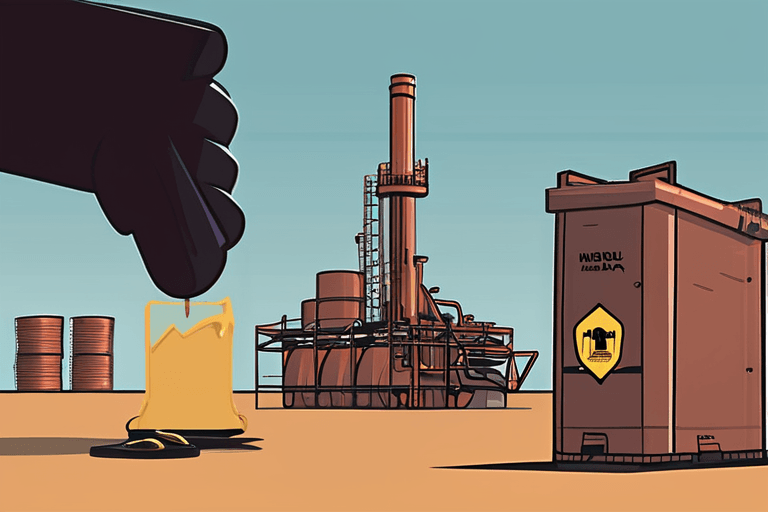
The capture of Nicolás Maduro sparked speculation about a potential gold rush for U.S. oil companies in Venezuela, but the reality on the ground appears more cautious. Despite White House optimism, there's little evidence of an immediate surge in business activity, raising questions about potential taxpayer subsidies to incentivize investment.
Chevron, widely viewed as a prime beneficiary of eased restrictions, is reportedly not rushing to significantly expand its operations in Venezuela. This hesitancy underscores the complex financial and political risks that persist, even with Maduro's ouster. The market's initial muted reaction to these developments, despite historical aversion to uncertainty, suggests a wait-and-see approach among investors.
The situation unfolds against a backdrop of broader geopolitical uncertainty, including renewed discussions about a U.S. takeover of Greenland. While the market has so far absorbed these shocks, the long-term impact on investor confidence remains to be seen. The speed and nature of any future investment in Venezuela will likely depend on the stability of the new government, the clarity of regulatory frameworks, and the appetite of U.S. companies to navigate the inherent risks.



















Discussion
Join the conversation
Be the first to comment