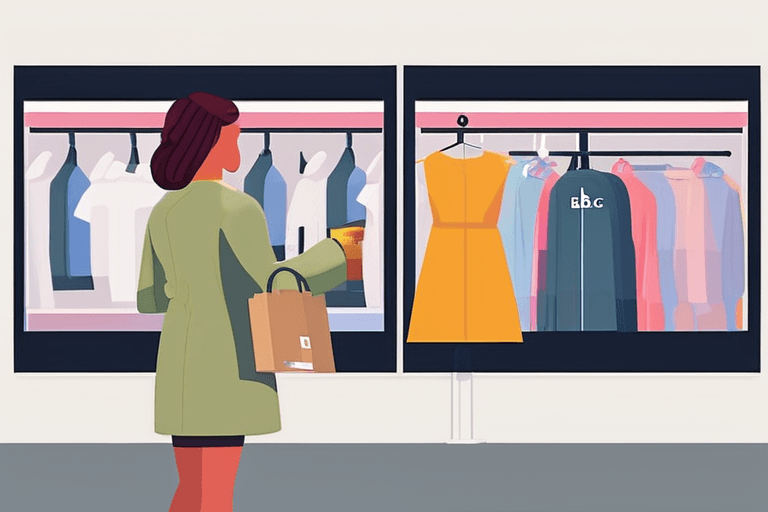
A BBC reporter recently tested artificial intelligence (AI) anti-shoplifting technology being implemented by some major retailers and independent stores. The experiment aimed to evaluate the effectiveness of these systems and explore their broader implications for both businesses and consumers.
The AI systems typically utilize existing CCTV infrastructure, employing sophisticated algorithms to analyze video feeds in real-time. These algorithms are trained to identify suspicious behaviors indicative of shoplifting, such as prolonged loitering near high-value items, concealing merchandise, or making furtive glances towards exits. Once suspicious activity is detected, the system alerts store personnel, enabling them to intervene.
The core technology relies on machine learning, a subset of AI where algorithms learn from vast datasets without explicit programming. In this context, the AI is trained on thousands of hours of video footage depicting both legitimate shopping behavior and instances of shoplifting. This training allows the system to differentiate between innocent browsing and potential theft with increasing accuracy.
Proponents of the technology argue that it offers a significant advantage over traditional security measures, such as human security guards or basic surveillance systems. "AI can provide a level of vigilance and objectivity that is simply not possible with human observation," stated Dr. Anya Sharma, a computer vision expert at the University of Oxford, who was not directly involved in the BBC experiment. "It can continuously monitor multiple areas simultaneously, without fatigue or bias."
However, the use of AI in retail settings also raises concerns about privacy and potential for bias. Critics argue that these systems could disproportionately target certain demographic groups, leading to unfair or discriminatory treatment. "There is a real risk that these technologies could perpetuate existing societal biases," warned Sarah Chen, a privacy advocate with the Electronic Frontier Foundation. "If the training data is skewed, the AI could learn to associate suspicious behavior with particular ethnicities or socioeconomic backgrounds."
Furthermore, the accuracy of these systems is not guaranteed. False positives, where innocent shoppers are wrongly flagged as potential shoplifters, could lead to embarrassing or even confrontational situations. The BBC reporter's test likely explored the frequency of such false positives and the system's ability to distinguish between genuine theft and harmless actions.
The deployment of AI anti-shoplifting technology is part of a broader trend towards increased automation and data analysis in the retail sector. Retailers are increasingly leveraging AI to optimize inventory management, personalize customer experiences, and enhance security. The latest developments include integrating AI with point-of-sale systems to detect fraudulent transactions and using facial recognition technology to identify known shoplifters.
The long-term impact of these technologies on society remains to be seen. As AI becomes more prevalent in retail and other public spaces, it is crucial to address the ethical and legal implications to ensure that these systems are used responsibly and do not infringe on individual rights. Further research and public discourse are needed to establish clear guidelines and regulations for the development and deployment of AI-powered surveillance technologies.















Discussion
Join the conversation
Be the first to comment