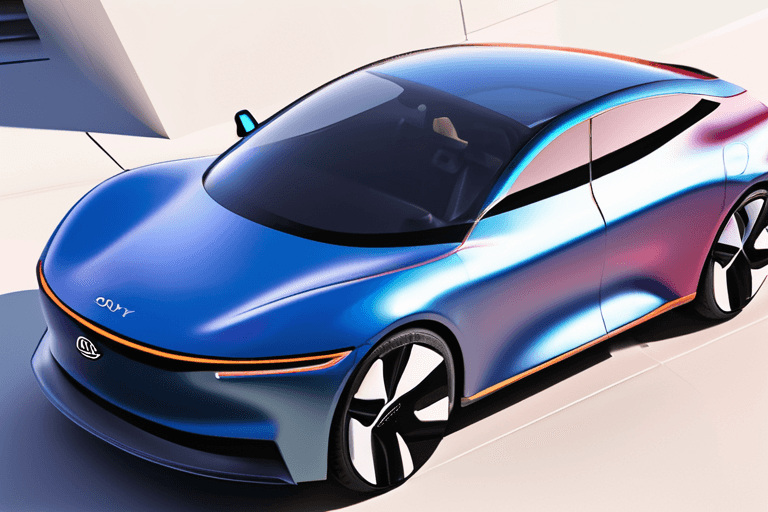
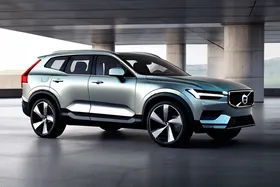
Production of the Afeela 1, an electric sedan developed by Sony Honda Mobility, is underway in Ohio, with deliveries slated to begin later this year in California and expand to Arizona and Japan by 2027. On the eve of this year's Consumer Electronics Show, Sony unveiled a crossover version of the Afeela.
Yasuhide Mizuno, CEO of Sony Honda Mobility, stated that the company's approach to integrating diverse technologies for a novel mobility experience extends beyond a single model type. The initial glimpse of Sony's electric vehicle ambitions occurred at CES in 2020 with the Vision-S, presented primarily as a showcase for sensor technology and infotainment systems.
The announcement arrives amid significant shifts in the electric vehicle market. The initial optimism surrounding EVs, fueled by Tesla's stock surge and industry-wide focus, has somewhat tempered. This shift underscores the complexities of entering the automotive industry, even for a technology giant like Sony.
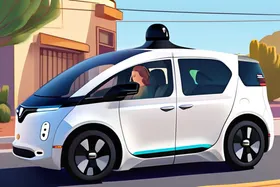
The development of autonomous driving capabilities is a key aspect of Sony's automotive strategy, relying heavily on artificial intelligence. AI algorithms process data from various sensors, including cameras, radar, and lidar, to enable vehicles to perceive their surroundings, make decisions, and navigate without human intervention. This involves complex machine learning models that require vast amounts of data for training and validation. The ethical considerations surrounding AI-driven vehicles, such as decision-making in accident scenarios, are also crucial aspects of the development process.
Sony's entry into the EV market reflects a broader trend of technology companies seeking to disrupt the traditional automotive industry. The company's expertise in sensors, software, and entertainment systems positions it to offer a unique value proposition to consumers. However, challenges remain in scaling production, managing supply chains, and navigating regulatory hurdles. The success of Sony's Afeela line will depend on its ability to effectively integrate its technological strengths with the established automotive manufacturing and distribution infrastructure.













Discussion
Join the conversation
Be the first to comment