Nvidia announced it will begin shipping its new artificial intelligence chip, the Vera Rubin, later this year, alongside the integration of its self-driving technology into Mercedes-Benz vehicles. The Vera Rubin chip, unveiled by CEO Jensen Huang at CES in Las Vegas, is designed to perform more computing tasks while consuming less power than previous generations, fulfilling a promise made in March at the company's annual conference.
The new chip, named after astronomer Vera Rubin, has been in development for three years and aims to accelerate and reduce the cost of AI processing. According to Huang, the chip will enable companies to fulfill AI requests more quickly and cheaply. Nvidia plans to ship the Rubin chips to customers, including Microsoft and Amazon, in the second half of the year.
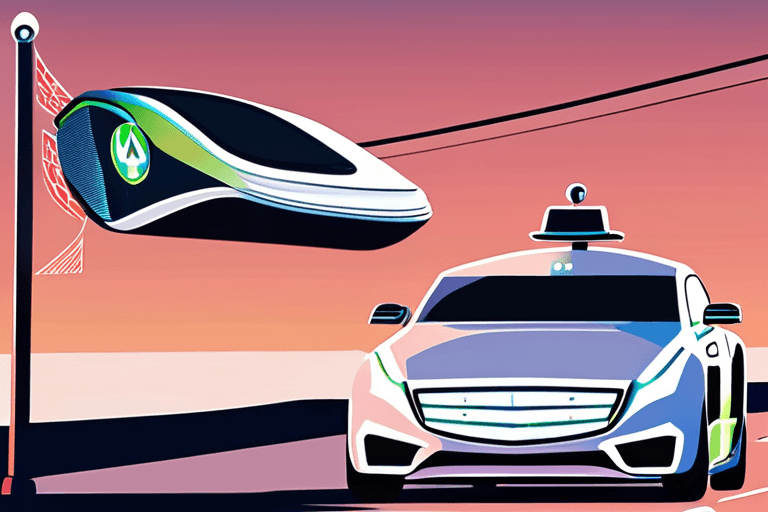
In addition to the new AI chip, Nvidia is expanding its presence in the autonomous vehicle market. Mercedes-Benz will begin shipping cars equipped with Nvidia's self-driving technology this year, positioning it as a competitor to Tesla's Autopilot system. This collaboration marks a significant step for Nvidia in the automotive industry, as it seeks to provide comprehensive autonomous driving solutions.
The Vera Rubin chip represents Nvidia's latest effort to maintain its lead in the rapidly evolving AI landscape. By increasing computing power while reducing energy consumption, the chip aims to address the growing demand for AI processing capabilities across various industries. The chip's architecture is designed to optimize AI training and inference, enabling faster development and deployment of AI models.
The integration of Nvidia's self-driving technology into Mercedes-Benz vehicles highlights the increasing importance of AI in the automotive sector. As autonomous driving technology continues to advance, it has the potential to transform transportation and logistics, improving safety and efficiency. However, the widespread adoption of self-driving cars also raises ethical and societal questions that need to be addressed.
Nvidia's advancements in AI chips and autonomous driving technology have significant implications for society. The Vera Rubin chip could accelerate AI research and development, leading to breakthroughs in areas such as healthcare, finance, and education. The deployment of self-driving cars could improve road safety and reduce traffic congestion, but also raises concerns about job displacement and data privacy.
The company's focus on both AI chips and autonomous vehicles reflects its broader strategy of providing end-to-end solutions for the AI era. By combining powerful hardware with advanced software, Nvidia aims to empower developers and businesses to create innovative AI applications across various industries. The company's continued investment in research and development suggests that it will remain a key player in the AI landscape for years to come.



















Discussion
Join the conversation
Be the first to comment