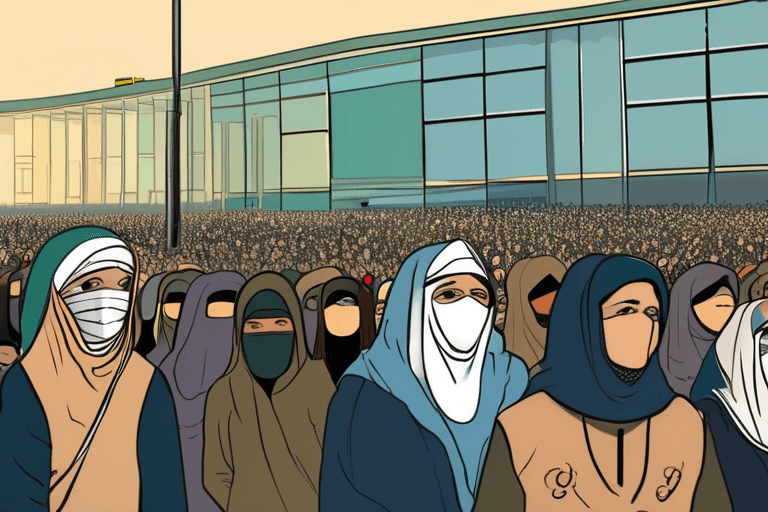
Protests against the Iranian government have spread to at least 17 of the country's 31 provinces, according to an analysis by BBC Verify and BBC Persian, marking the most significant challenge to the ruling clerical establishment since 2022. The unrest, sparked by a sharp devaluation of the Iranian currency, began on December 28 in Tehran and has since expanded to over 50 towns and cities nationwide.
Verified video footage from the past 10 days shows widespread anti-government demonstrations, even in regions previously considered strongholds of support for the state. The BBC analysis, based on geolocation and verification of over 100 videos, suggests the actual number of protests is likely higher, with reports indicating demonstrations in an additional 11 provinces.
The protests erupted following a substantial drop in the value of the Iranian currency against the US dollar and other major foreign currencies. This devaluation has exacerbated existing economic grievances among the population, fueling public anger and discontent.
While Iranian authorities have yet to issue a comprehensive statement regarding the extent and nature of the protests, state media has acknowledged some public gatherings while attributing them to economic concerns. Opposition groups outside Iran claim the protests reflect widespread dissatisfaction with the government's policies and its handling of the economy.
The current wave of protests presents a considerable challenge to the Iranian government, which has faced similar episodes of unrest in recent years. The government's response to these protests will likely shape the political landscape in Iran and its relationship with the international community. The situation remains fluid, and further developments are expected in the coming days and weeks.
















Discussion
Join the conversation
Be the first to comment