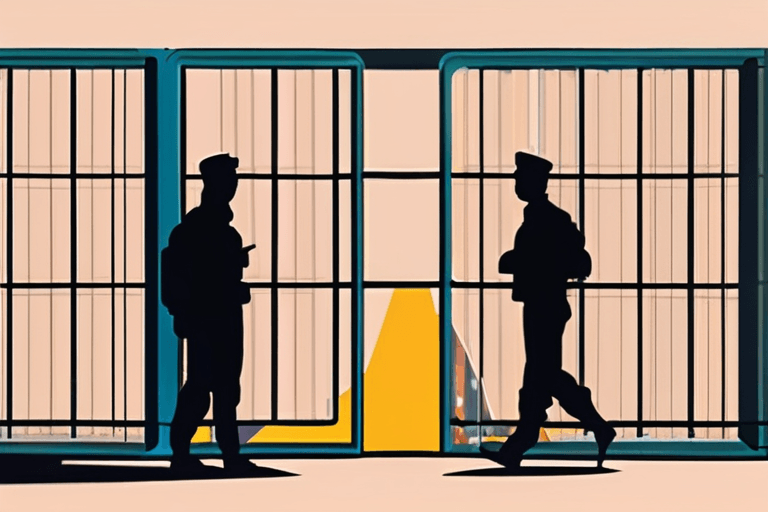
The journalists, including a Colombian and a Spanish reporter, were held for hours, some incommunicado, before being released. According to the union statement, agents working for Venezuela's military counterintelligence agency and intelligence service seized at least two of the journalists. The statement also detailed that authorities searched their equipment, checked their phones, and scrutinized their social media posts and messages.
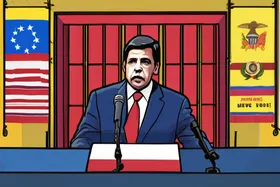
The detentions coincided with Delcy Rodríguez being sworn in as interim president and shortly after she expressed a willingness to cooperate with the Trump administration, which has previously stated its intention to "run" Venezuela.
Foreign news media have long faced restrictions in Venezuela, with visas to work in the country being granted sparingly. This has made it difficult for international media outlets to maintain a consistent presence and provide independent reporting from within the country. The Venezuelan government has often been criticized by international press freedom organizations for its restrictive media policies and its treatment of journalists. These organizations argue that such restrictions impede the public's right to access information and hold power accountable.
The detentions highlight the ongoing challenges faced by journalists working in Venezuela, where political instability and economic crisis have created a tense environment for media professionals. The situation also underscores the broader context of strained relations between Venezuela and the international community, particularly the United States, which has imposed sanctions and taken a strong stance against the Maduro government. The current status of the detained journalists is that they have been released, but the long-term implications for press freedom in Venezuela remain a concern.
















Discussion
Join the conversation
Be the first to comment