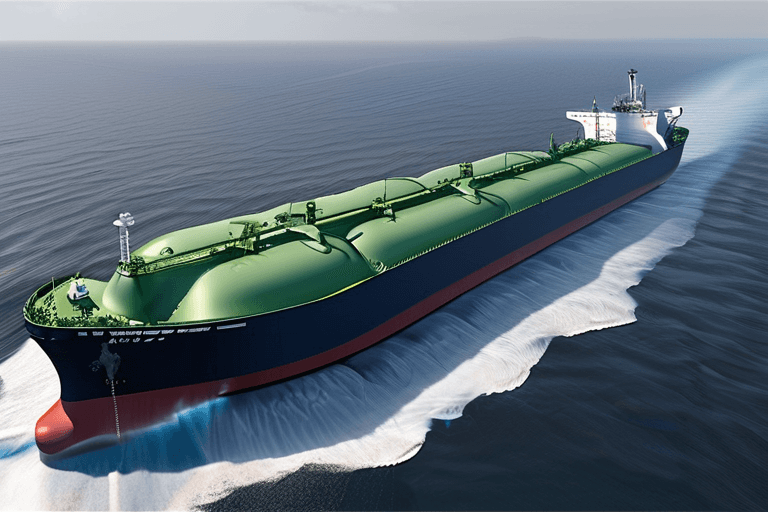
U.S. officials are considering intercepting and seizing a Russian-flagged oil tanker currently traversing the Atlantic Ocean en route to Europe, according to a report by CBS News, the BBC's media partner in the United States. Two unnamed U.S. officials told the broadcaster that American forces are planning the potential interception of the vessel, which has reportedly transported Venezuelan crude oil in the past and was believed to be located between Scotland and Iceland.
The potential action follows President Donald Trump's statement last month that he was ordering a "blockade" of sanctioned oil tankers either entering or leaving Venezuela. The Venezuelan government denounced this action as "theft." Prior to the recent Venezuelan elections, Trump had also accused the Venezuelan government of utilizing ships to transport drugs to the U.S.
Last month, the U.S. Coast Guard attempted to board the Bella 1 in the Caribbean Sea, suspecting it was headed towards Venezuela. U.S. authorities had obtained a warrant to seize the ship, alleging violations of U.S. sanctions related to the shipment of Iranian oil. The Bella 1 subsequently changed its course and its name to the Marinera, and reportedly reflagged.
The U.S. has imposed sanctions on Venezuela's oil industry in an effort to pressure the government of Nicolás Maduro. These sanctions aim to limit the country's oil revenue, a key source of income for the Maduro regime. The U.S. government contends that Maduro's government is illegitimate and has engaged in human rights abuses and corruption.
The potential seizure of the Russian-flagged tanker would represent a significant escalation of U.S. efforts to enforce sanctions against Venezuela and potentially Russia, depending on the specifics of the tanker's current activities and ownership. It remains unclear what specific legal justification the U.S. would use to intercept and seize a ship in international waters. The situation is ongoing, and further details are expected as the tanker continues its voyage.



















Discussion
Join the conversation
Be the first to comment