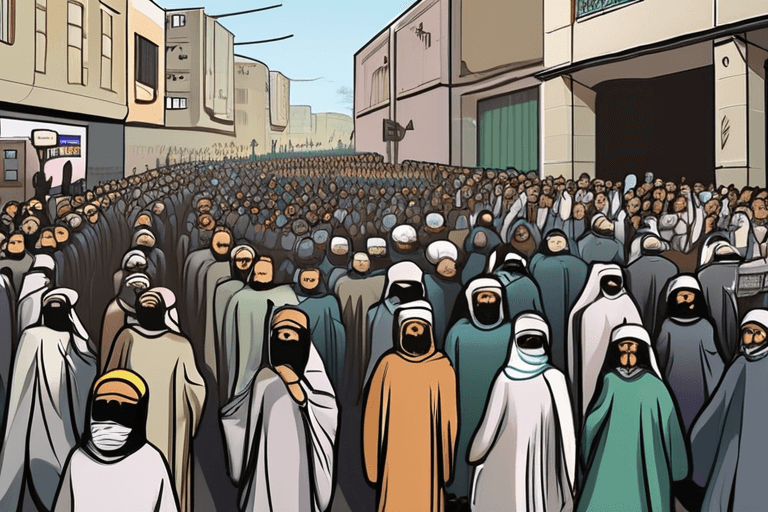
Protests against the Iranian government have spread to at least 17 of the country's 31 provinces, according to an analysis by BBC Verify and BBC Persian. The demonstrations, which began on December 28, represent the most significant challenge to Iran's clerical establishment since 2022.
The BBC's analysis, based on verified video footage, indicates anti-government demonstrations and gatherings in over 50 towns and cities across Iran in the last 10 days. Reports suggest protests have also occurred in an additional 11 provinces, though these have not been verified through video evidence. The unrest was initially triggered by a sharp devaluation of the Iranian currency against the U.S. dollar and other major foreign currencies in Tehran.
Verified footage, including over 100 geolocated videos, shows people taking to the streets in major Iranian cities. The BBC reports that demonstrations have occurred even in regions previously considered loyal to the state.
The protests follow a period of economic hardship in Iran, exacerbated by international sanctions and internal economic policies. The currency devaluation has further strained the finances of ordinary Iranians, leading to widespread discontent. The government has yet to issue a comprehensive response to the protests, but state media has acknowledged the economic grievances of the population.
The scale and geographic spread of the protests suggest a growing level of public dissatisfaction with the government's handling of the economy. The situation remains fluid, and it is unclear what steps the government will take to address the unrest.
















Discussion
Join the conversation
Be the first to comment