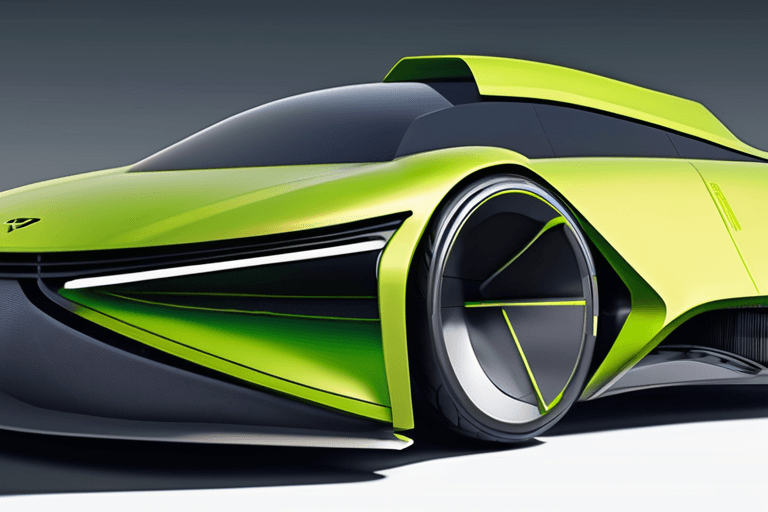
Nvidia unveiled a new technology platform, Alpamayo, designed for self-driving cars at the annual CES technology conference in Las Vegas, signaling the company's push into physical applications of artificial intelligence. According to Nvidia CEO Jensen Huang, the Alpamayo system will bring advanced reasoning capabilities to autonomous vehicles, enabling them to navigate complex environments and explain their driving decisions.
Huang stated that Alpamayo would allow cars to "think through rare scenarios, drive safely in complex environments, and explain their driving decisions." Nvidia is collaborating with Mercedes-Benz to develop a driverless car powered by Alpamayo, with a planned initial release in the U.S. in the coming months, followed by expansion into Europe and Asia.
Nvidia's chips have been instrumental in the advancement of AI, with much of the focus to date being on software applications like ChatGPT. However, tech companies are increasingly exploring hardware solutions, such as automobiles, to integrate AI. Huang, in his presentation, suggested that physical AI is on the cusp of its "ChatGPT moment," indicating a significant shift towards tangible AI applications.
The Alpamayo platform represents Nvidia's effort to move beyond powering AI software and into embedding AI directly into physical products. The company aims to leverage its expertise in AI to enhance the capabilities of autonomous vehicles, making them safer and more reliable. The collaboration with Mercedes-Benz is a key step in demonstrating the potential of Alpamayo in real-world driving conditions.
The development of Alpamayo reflects a broader trend in the tech industry towards integrating AI into physical products. As AI technology matures, companies are seeking opportunities to apply it to a wider range of applications, from self-driving cars to robotics and beyond. Nvidia's move into the self-driving car market positions it as a key player in this emerging field.


















Discussion
Join the conversation
Be the first to comment